

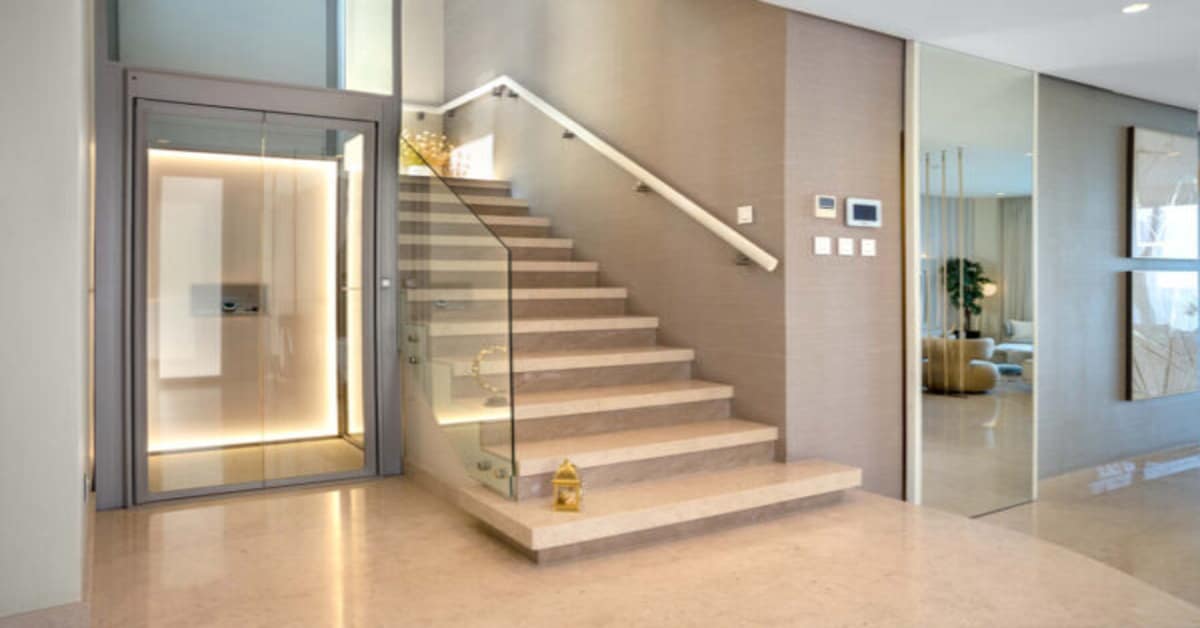
Elevators are an essential part of modern life, helping millions of people move safely and efficiently between floors every day. While most people use them without a second thought, there are many interesting facts about elevators that reveal just how remarkable these machines really are. From the invention of the first safety elevator to the world’s fastest lifts and cutting-edge smart elevator technology, elevators have transformed the way buildings are designed and used. Understanding these interesting facts about elevators can provide a new appreciation for the engineering, safety innovations, and technological advancements that make modern vertical transportation possible in homes, offices, hotels, and skyscrapers around the world.
What Are Domestic Lifts?
Domestic lifts are designed for residential settings to provide convenient vertical mobility between floors. They offer accessibility solutions for homeowners with mobility challenges or those who prefer a more convenient way to move within their homes. Domestic lifts come in various types, including traditional hydraulic or traction lifts, compact pneumatic lifts, and platform lifts, tailored to fit different home layouts and aesthetic preferences while enhancing overall comfort and convenience.
10 Interesting Facts About Elevators
Lifts for homes are increasingly becoming more accessible and beneficial for a wider range of homeowners. Here’s a detailed look at why they’re not just for the wealthy.
Home Elevators Are Not Just for the Wealthy
Home elevators provide crucial accessibility for people of all ages and abilities. They are particularly beneficial for seniors or individuals with mobility challenges, allowing them to move between floors safely and comfortably without relying on stairs.
Modern Elevators Are Space-Saving
Modern Luxury home elevators are designed to be space-efficient, occupying minimal floor space compared to traditional staircases. This makes them suitable for installation in various home layouts, including smaller residences or those with limited space availability.
Residential Elevators Have Customization Options
Residential elevators offer extensive customization options to match homeowners’ aesthetic and functional preferences. From choosing cabin finishes to selecting door styles and controls, customization ensures that the elevator complements the home’s interior design seamlessly.
Safest Mode of Transportation
Elevators are statistically one of the safest modes of transportation, equipped with advanced safety features such as emergency brakes, backup power systems, and door sensors. These features ensure reliable operation and enhance passenger safety during every ride.
Elevator Increases Your Home Value
Installing a home elevator can significantly increase a property’s resale value. It adds a touch of luxury and convenience that appeals to potential buyers, making the home more attractive in a competitive real estate market.
Domestic Lifts Helps Seniors
Home elevators provide essential support for seniors looking to age in place by eliminating barriers posed by stairs. This allows them to safely maintain independence and access all areas of their home, promoting a higher quality of life.
Energy-Efficient Options
Modern home elevators are designed with energy efficiency in mind, incorporating features such as LED lighting, efficient motor systems, and regenerative drives that reduce energy consumption and operating costs over time.
Quiet Operation
Advancements in elevator technology have led to quieter operation, minimizing noise disruptions within the home environment. This ensures a peaceful atmosphere while maintaining convenience and accessibility.
Modern Elevators Have Remote Controls
Many modern home elevators have remote control capabilities, allowing homeowners to call the elevator to a specific floor or monitor its status remotely. This adds convenience and ease of use, especially in multi-story residences.
Home Elevators Utilize Advanced Technology
Home elevators integrate advanced technologies such as touch-screen controls, smartphone apps for monitoring and control, and real-time diagnostics for maintenance purposes. These technological advancements enhance user experience and ensure efficient elevator system operation.
In conclusion, home elevators offer far-reaching benefits beyond mere luxury, catering to practical needs such as accessibility, safety, and energy efficiency. They enhance home value, support aging in place, and provide customizable solutions that fit seamlessly into modern living spaces. As technology evolves, home elevators will likely become even more accessible and indispensable for homeowners seeking enhanced comfort and convenience in their daily lives.
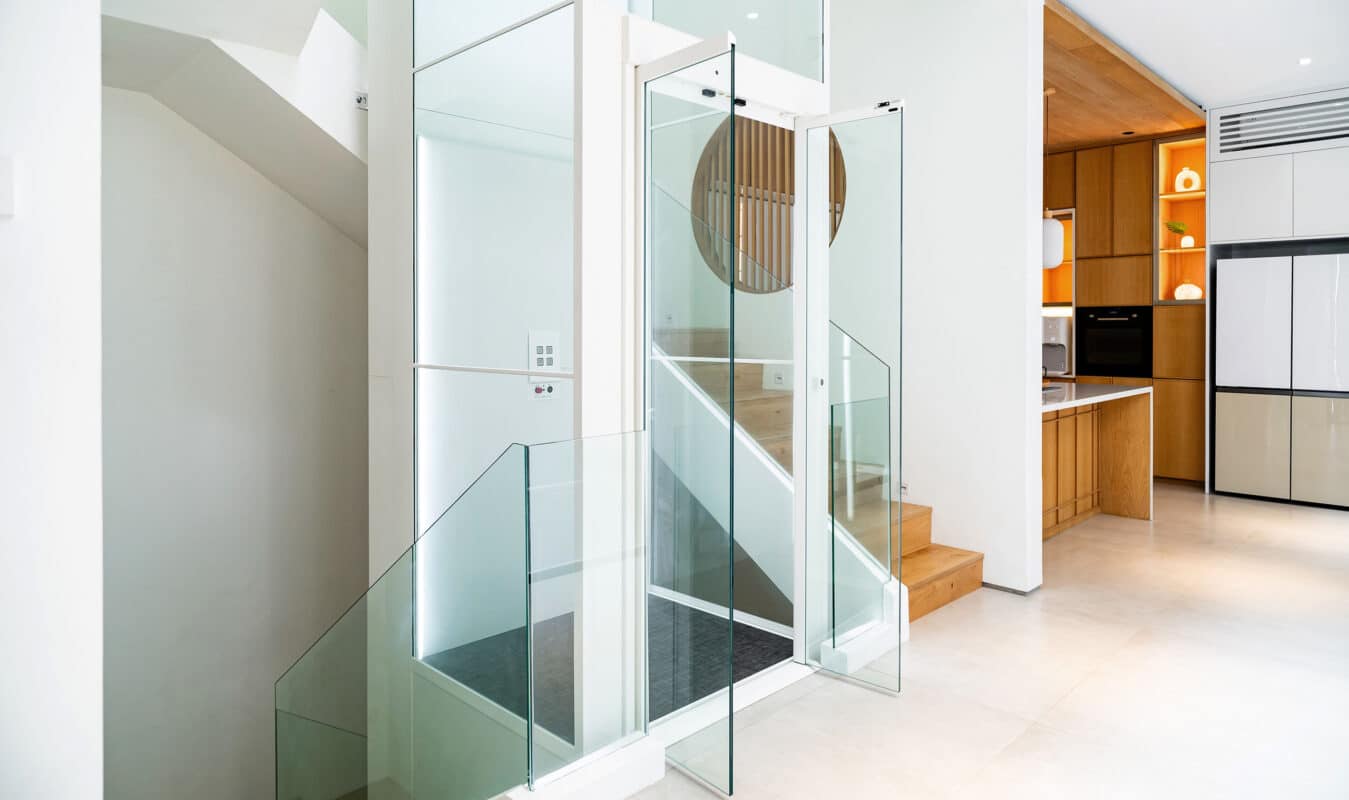
Future-Proof Your Home with a SWIFT Residential Lift
Future-proof your home with a SWIFT Residential Lift, where luxury meets functionality. Elevate your living experience with our innovative designs to integrate seamlessly into any home. From sleek, space-saving options to customizable features that enhance accessibility and style, SWIFT lifts are built for comfort and reliability. Our domestic lifts offer peace of mind with cutting-edge safety features and eco-friendly technology. Transform your daily routine quickly—contact SWIFT Lifts to elevate your home to new heights of modern living.
Frequently Asked Questions
How much do residential home elevators cost?
The cost of residential home elevators depends on factors such as type, size, features, and installation requirements.
How long does it take to install a residential elevator?
The installation of a residential elevator usually takes 2 to 4 weeks, depending on the complexity of the project, the type of elevator, and the site preparation requirements.
What is the limit of an elevator?
The limit of an elevator refers to its maximum weight capacity, typically ranging from 250 kg to 500 kg, depending on the elevator’s design and specifications.
How big is a residential elevator?
Residential elevators vary in size, typically ranging from compact models with a footprint of about 12 square feet to larger models that require up to 15 square feet of floor space.
What are the benefits of residential elevators?
Residential elevators enhance accessibility, convenience, and home value, providing ease of movement between floors for all occupants, including those with mobility challenges or heavy loads.
Why do elevators have mirrors inside them?
Elevator mirrors were originally introduced to reduce feelings of claustrophobia and make small spaces feel larger. They also improve accessibility by helping wheelchair users maneuver more easily.
How many elevator rides take place every day around the world?
Elevators carry billions of passengers globally every year, making them one of the most frequently used transportation systems in the world.
What is the tallest building served by elevators?
Some of the world’s tallest skyscrapers rely on advanced elevator systems that can travel hundreds of meters in just seconds while maintaining passenger comfort.
Get In Touch!


