

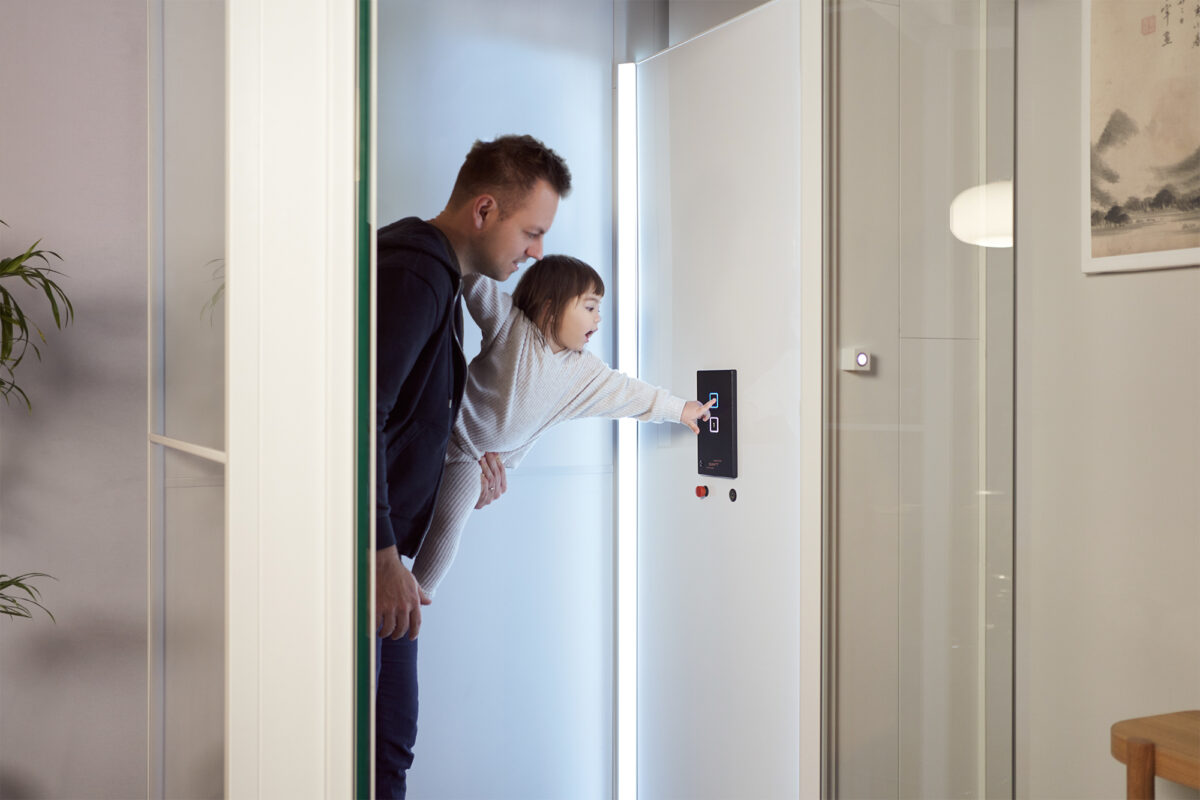
Using a lift is simple and safe when proper steps are followed. To use a lift, press the call button and wait for the doors to open completely before entering. Once inside, select your desired floor using the control panel and stand clear of the doors during travel. Avoid overcrowding the lift and hold the handrail if necessary for additional support. When the lift reaches your floor, wait for the doors to open fully before exiting carefully. Modern home lifts and elevators include advanced safety systems, emergency features, and easy-to-use controls, making them suitable for residential buildings, villas, apartments, and people of all age groups.
In many parts of the world, elevators, sometimes known as lifts, are a standard feature of modern life. Efficient elevator operation and mobility are critical for both large skyscrapers and modest residential buildings. Not only does it make certain smooth operations and limit delays, but it additionally contributes to universal safety. In this guide, we will explore the fine details of residential lift usage, from information fundamental mechanics to practicing the right elevator etiquette.
What is an Elevator?
An elevator, or lift, is a vertical transportation tool that transports people or goods between floors or ranges of a construction. It commonly consists of a car (the enclosed platform where passengers stand), a hoistway (the shaft through which the car travels), and a control system that regulates motion. Elevators come in various sorts, which include hydraulic, traction, and pneumatic, each acceptable for different building designs and functions. Modern elevators also include advanced lift safety features such as emergency brakes, door sensors, backup power systems, and alarm controls for safer operation.
Lift Usage Instructions: Best Practices
Whether using your own lift at your home or using a friend´s lift, following these first-rate lift safety rules will make your elevator experience tremendous and pleasing.
Push the Call Buttonz
The first step is to call the elevator. Locate the call button panel near the elevator door. There will commonly be buttons: A clean button to call for the lift, or one with an up arrow (^) to request an upward adventure, and the other with a down arrow (v) for a downward trip.
Stand Clear of the Doors
Once you’ve pressed the call button, position yourself facing the elevator doors. This allows you to see when the lift arrives. When the elevator arrives, wait for the doors to open fully and then step in.
Pay Attention to Indicator
Modern elevators usually have a digital display indicating the current floor and direction of travel. This helps passengers plan their movements within the lift and anticipate their stop. Many modern residential lifts also include child safety around the lift through features such as door sensors, emergency alarms, automatic door locks, and smooth start-stop technology for safer everyday use.
Consider Carrying Capacity
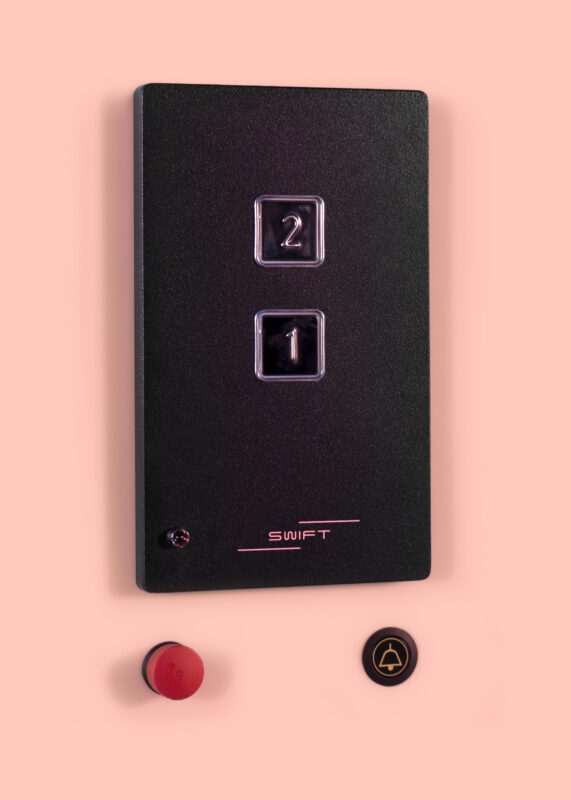
Most elevators have a weight limit displayed. Be mindful of this limit and avoid overloading the lift. SWIFT has a built-in overload sensor that will inform if you load it too heavily.
Never try to Exit a Moving Lift
This is an essential protection rule. Only exit the elevator as soon as the doors have opened and the domestic lift has completely stopped at your preferred destination. Don’t try to force open doors manually.
Use Emergency stop Button for Emergency
In an emergency within the elevator, locate the emergency stop button (typically a red color button) and press it firmly. This will stop the lift instantly. Once the lift has stopped, press the alarm button to call for support.
Understanding Elevator Buttons
The control panel inside the elevator typically consists of several buttons. Let’s explore their functions:
Floor Number Buttons
These buttons correspond to each floor served by the elevator. Simply press the button for your desired destination floor.
Door Control Buttons
Some elevators have separate buttons for opening and closing the doors. These may be labeled “Open” and “Close” or have corresponding symbols. In most modern elevators, like SWIFT, the doors will automatically open and close.
Emergency stop Buttons
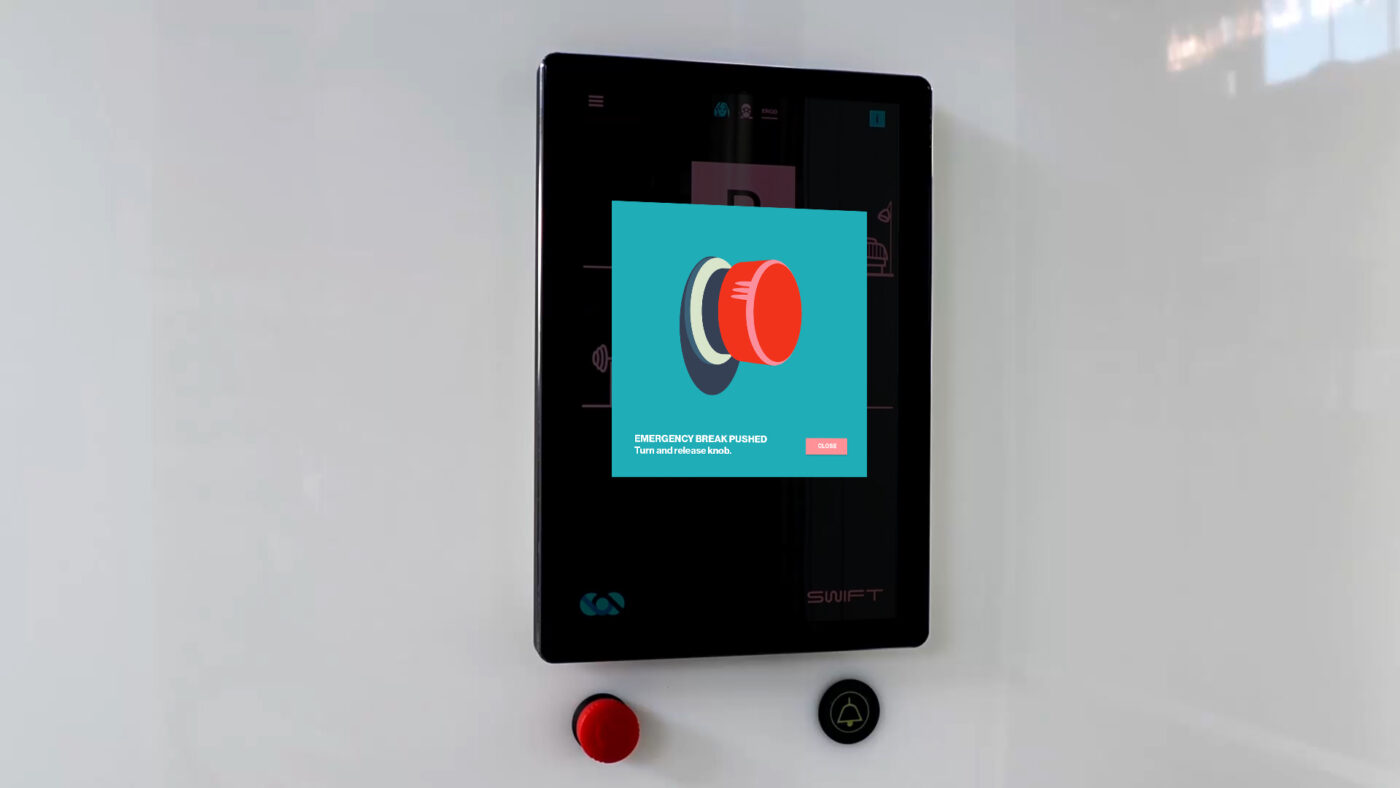
As mentioned earlier, the emergency stop button, typically a red button with an alarm symbol, is for critical situations. Press this button only in case of an emergency when you require assistance.
Discover Residential Lift Options At SWIFT
For those looking to improve accessibility and comfort inside their homes, residential lifts offer a realistic answer. With improvements in technology and design, cutting-edge residential lifts are glossy, space-saving, and may be custom-designed with the house decor. SWIFT is a leading provider of domestic lifts, offering many options to meet diverse architectural requirements and personal preferences. SWIFT specializes in handing over safe and reliable solutions for residential spaces, from compact home elevators to luxury elevators.
FAQs
Elevator surfing, the practice of pressing every button in an elevator to cause delays and disturbance to other users or family members, can seriously impair regular operations. Please avoid that.
Do’s:
- Press the lift call button.
- Wait for the lift doors to open fully.
- Check the floor indicator before entering.
- Enter the lift carefully and stand clear of the doors.
- Press the button for your desired floor.
- Hold the handrail if necessary during travel.
- Wait until the lift stops completely.
- Exit carefully after the doors open fully.
Don’ts:
- Overload the elevator.
- Force open the doors
- Let children under 6 years travel on their own.
- Tamper with the control panel.
Numerous safety elements, such as emergency brakes, door sensors, overload protection, fire safety systems, and emergency communication equipment, are included with elevators.
Elevators are typically not encouraged to be used throughout earthquakes. Modern elevators have integrated earthquake detection structures that bring the lift to the closest floor and open the doors for safe evacuation. However, using the stairs throughout an earthquake is always more secure if possible.
To choose the floor you wish to be on, press the button. If you need more clarification, stay away from pressing any buttons until you decide on your floor.
Get In Touch


