

In a residential setting, it is crucial to follow safety protocol and schedule regular inspections to ensure a smooth and secure functioning of the lift system. Current elevator systems incorporate a lot of safety features to prevent accidents and injuries, but as a user, it is always advisable to follow precautions for personal protection. This guide is an insight into the elevator safety rules for lift users. It also discusses the importance of periodic inspection of the lift and fall protection guidelines in place for the prevention of any mishaps.
Elevator Safety Guidelines for Residential Lifts
There are certain safety measures that help reduce risks and ensure safe everyday operation at home.
- Weight Limit- The users should follow the given weight capacity limit and not overload the cabin.
- Entry & Exit Protocol- Wait for the doors to open completely before stepping out of the lift. If there is a person in the lift, wait for your turn to avoid chaos.
- Supervision- Young children, disabled people who require guidance, and pets should always use the lift under supervision. They should not be allowed to use the lift alone.
- Door Etiquette- It is a strict prohibition to stand too close to the lift doors or lean on them.
- Power Fluctuation- Avoid using the lift in case of a power fluctuation or when there is a possibility of one in situations like a storm. It is one of the most crucial elevator safety guidelines.
- Report Malfuction Immediately- Any deviation from the recommended operation of the lift system should be immediately reported to the service provider.
All compatible residential lift systems must be compliant with the standards set by the regulatory body. As per the guidelines laid down by the IS (Indian Standards) and the NBC (National Building Code), all lifts are equipped with safety features like alarm systems, intercom, etc. They send an automatic message for help. However, in case of an emergency, the lift users should be aware of the elevator safety guidelines to avoid panic.
- In case a lift stops due to a power cut or any other reason, the users should stay calm.
- Avoid using lifts in a natural calamity, like an earthquake, or in a hazard, like in the case of a building fire.
- Use the lift’s in-built communication system for a prompt help response.
- Do not try to open the elevator doors forcefully, as the interlock mechanism is put in place to keep the riders safe.
- If the elevator does not automatically reach the ground floor or the next closest floor, as mandated by elevator safety in the case of the majority of lift systems, wait for help to arrive.
Routine Elevator Safety Inspection for a Secure Lift System
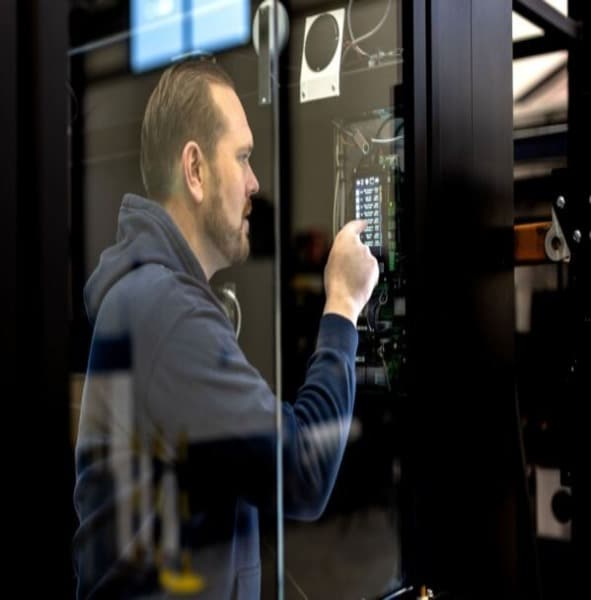
Homeowners should schedule routine elevator safety inspections to ensure that their lifts are in good condition. No matter how advanced the lift system is, regular inspection and maintenance are crucial for maintaining safe day-to-day operation. Always opt for a licensed technician to inspect the lifts to be sure that the elevator safety guidelines are followed.
Most lifts require a bi-annual or annual checkup if the system is running smoothly. In case of any complications, the homeowner can request an earlier inspection, too.
The inspection includes-
- Visual Check- The basic sweep of the area.
- Structural Inspection- To check the structural integrity of the components and assess the maintenance. Ventilation, cleanliness, and lighting all come under this category of elevator safety inspection.
- Mechanical System- To check the motors, rails, and other hardware for wear and tear.
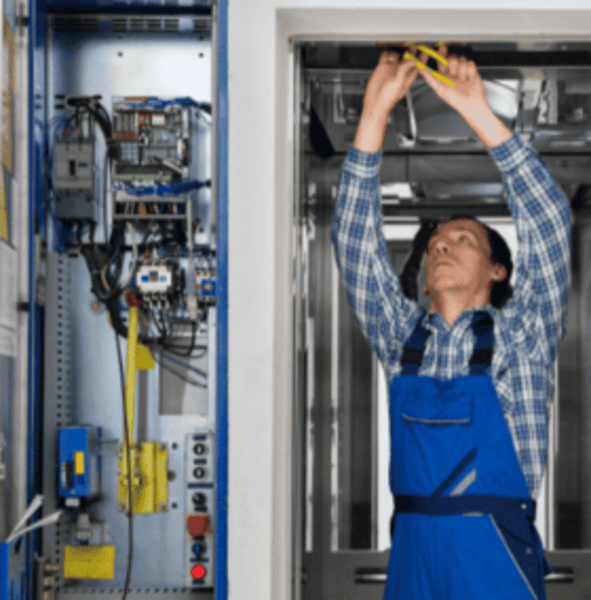
- Electrical System- To check that the control panel, buttons, fuses, circuit board, wiring, backup battery, and other electrical components work.
- Safety Compliance- To see if the sensors, intercom, brake system, and other safety features work.
- Report- Based on the analyses, the professional writes a detailed report. All issues are resolved, and the list is made fit for use.
There are certain responsibilities for the homeowners, too.
- Never skip or delay lift service
- Report any malfunctions
- Maintain the logs and keep them accessible for future reference
The Elevator Fall Protection System
In case of emergencies, a residential lift elevator comes equipped with a fall protection system. This is how it works-
1. Safety Brakes
2. Suspension Rails/Ropes
The lift cabin is supported by more than one rail or rope so that even if one breaks, the lift operation is not affected.
3. Door Interlock
The door sensors make sure that the doors only open and close when there is no obstruction near them and only when they reach the floor. In case of a fall, they will stay put.
4. Buffer
It is highly unlikely that the lift will fall. But in case it does, there is a buffer of spring-loaded pads at the bottom that cushions the impact of the dropping lift.
To Sum Up
Modern residential lift systems are equipped with many elevator safety features like ARD (automatic rescue device), battery backup, emergency brakes, etc. However, as responsible lift users, the homeowners should also follow the elevator safety guidelines and schedule regular inspections as recommended by the service providers. With regular maintenance, the lift system keeps running smoothly, always allowing a secure passage for users.


