

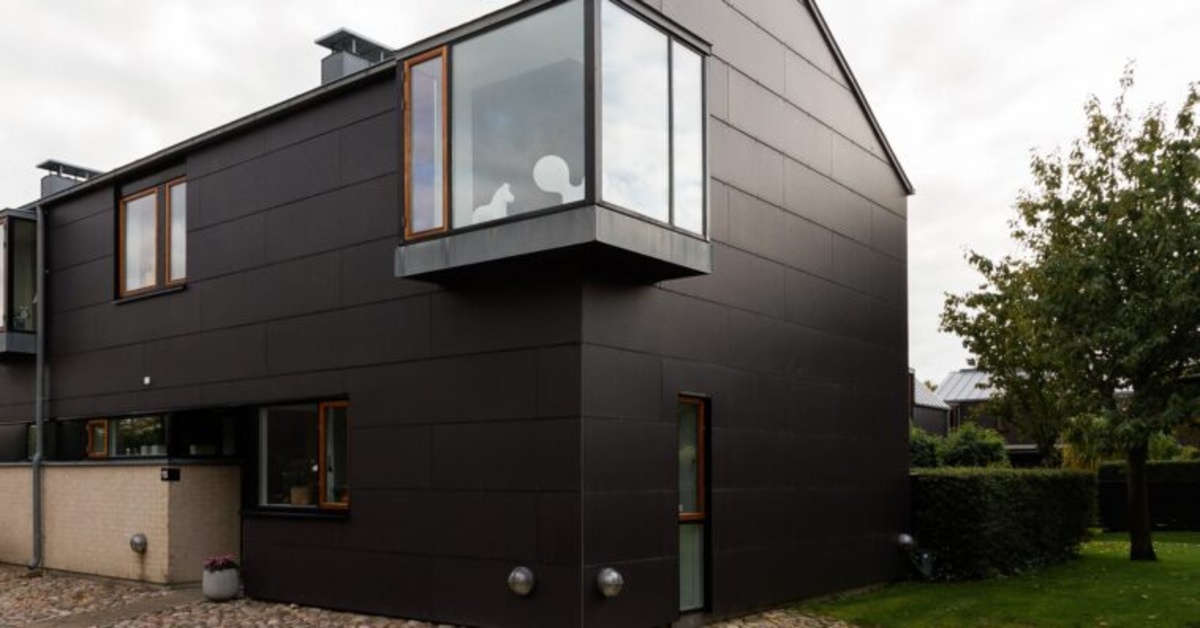
Australian homes present unique challenges when it comes to mobility solutions. You might have a beautiful Queenslander with exterior stairs leading to a raised main level, a split level property in the Blue Mountains with outdoor access between floors, a beachfront home in Perth where salt air corrodes everything, or a Brisbane house where the entry stairs sit fully exposed to summer storms and tropical humidity.
Installing mobility equipment outdoors in Australia isn’t the same as popping a stairlift inside your hallway. The equipment faces UV exposure that would melt plastics rated for European climates, coastal salt that corrodes metal components within months, humidity that plays havoc with electronics, temperature swings from 5 degrees on a Canberra winter morning to 45 degrees on a summer afternoon in western Sydney, and weather events from cyclones in the north to driving rain across Victoria.
Understanding what actually works in Australian conditions, what the real costs look like including proper weatherproofing, and how to avoid the expensive mistakes that happen when overseas equipment gets installed without proper adaptation requires local knowledge and honest information about what different lift types can and cannot handle.
This guide explains the outdoor lift options genuinely suited to Australian conditions, the engineering differences that make weatherproof equipment cost more but last longer, realistic pricing across different lift types and installation scenarios, what building approvals you actually need in Victoria, New South Wales, Queensland, and other states, and the ongoing maintenance reality of keeping outdoor mobility equipment functioning reliably in our climate.
Why Outdoor Lifts Need Different Engineering in Australia
The fundamental difference between indoor and outdoor mobility equipment comes down to environmental protection. An indoor stairlift operates in a controlled environment with stable temperatures, no direct weather exposure, and minimal UV radiation. An outdoor stairlift on a Bondi Beach property faces salt spray, intense UV that degrades plastics and rubber, temperature extremes, direct rain, and humidity that infiltrates electrical components. For homeowners comparing accessibility solutions, this is one reason why a Compact Home Lift installed inside the property is often preferred for long-term durability, weather protection, and year-round reliability.
IP ratings define how well equipment resists environmental intrusion. The IP code has two numbers indicating protection levels. The first number rates solid particle protection from dust and debris. The second number rates liquid ingress protection. For Australian outdoor installations, you need minimum IP54 rating, which means complete dust protection and protection against water spray from all directions. Better outdoor lifts carry IP55 or IP65 ratings providing protection against low pressure water jets and even temporary submersion from heavy rain pooling.
SWIFT outdoor lifts designed for the Australian market carry IP65 certification as standard because our experience shows that IP54 equipment suffers premature failures in Queensland humidity and coastal New South Wales. The additional engineering cost for proper sealing pays back within two years through reduced service calls and longer component life.
UV resistance matters more in Australia than almost anywhere else globally. Our UV index regularly hits 11 to 14 in summer, levels that degrade standard plastics, rubbers, and coatings within 12 to 18 months. Outdoor lift components need UV stabilized materials rated for extreme exposure. This means marine grade plastics for covers and panels, UV resistant cable sheathing, powder coated aluminum or stainless steel structural elements, and control buttons sealed behind UV stabilized lenses.
Corrosion resistance becomes critical within 50 kilometers of coastline, which describes most of Australia’s population. Salt air corrodes mild steel, attacks aluminum alloys, and even affects stainless steel if the wrong grade is selected. Proper outdoor lifts for coastal areas use 316 grade stainless steel, hot dip galvanized structural components, and sacrificial anodizing on aluminum parts. The difference in material cost adds several thousand dollars to equipment price but prevents the heartbreak of watching your $25,000 lift corrode into an expensive sculpture within three years.
Temperature cycling creates expansion and contraction that loosens connections and cracks inadequate materials. An outdoor lift in Melbourne experiences temperature swings of 30 degrees or more between winter mornings and summer afternoons. Components must handle this cycling without degrading performance. Quality outdoor lifts use flexible electrical connections, thermally stable plastics, and mounting systems designed for thermal movement.
Types of Outdoor Lifts Available in Australia
Several distinct outdoor lift types serve different property layouts and access needs. Understanding which type suits your situation helps narrow options before you start getting quotes.
External stairlifts are the most common and typically most affordable outdoor mobility solution. These operate exactly like indoor stairlifts but with weatherproof construction. A motorized chair rides on a rail system attached to your exterior stairs. The user sits in the chair, operates simple controls, and travels smoothly up or down the stair run. External stairlifts work well for straight exterior stairs and can be custom curved for stairs with turns or landings.
The rails attach directly to your existing stairs or to a wall alongside the stairs. Installation typically takes one to two days for straight runs and three to five days for curved configurations. Weatherproof stairlifts suitable for Australian conditions use powder coated aluminum or stainless steel rails, UV resistant vinyl or outdoor rated fabric seats, sealed control mechanisms, and IP65 rated motors and drives. For homeowners exploring larger accessibility upgrades, many also compare these systems with home elevators Brisbane providers offer for multi-level homes requiring full wheelchair accessibility and greater long-term convenience.
Realistic pricing for outdoor stairlifts in Australia runs $8,000 to $12,000 for a basic straight stairlift covering 10 to 15 steps. Curved outdoor stairlifts handling stairs with turns cost $18,000 to $28,000 depending on complexity. These prices assume proper weatherproof engineering. Budget stairlifts marketed at $5,000 to $6,000 typically use indoor rated components with minimal weather protection and fail rapidly in Australian conditions.
Outdoor vertical platform lifts are enclosed or semi enclosed platforms that travel vertically between two levels without following stairs. These suit situations where you need wheelchair accessibility or where no existing stairs provide a route for a stairlift. The platform accommodates a wheelchair user or someone who cannot safely transfer to a stairlift chair. Typical platform sizes run 1 meter by 1.25 meters up to 1.4 meters by 1.4 meters.
Platform lifts require more substantial structural work than stairlifts since you’re creating a vertical shaft or supporting tower. The lift mechanism can be hydraulic or screw driven. For Australian conditions, screw driven systems prove more reliable because they don’t face the hydraulic fluid temperature sensitivity and seal degradation issues that plague hydraulic lifts in extreme heat.
Outdoor platform lifts cost $20,000 to $35,000 for basic installations traveling 3 to 4 meters vertically. This includes the lift mechanism, weatherproof enclosure, upper and lower landing gates, and basic installation. More complex installations with custom enclosures, architectural integration, or travel heights exceeding 4 meters can reach $45,000 to $60,000.
Weatherproof through floor external lifts represent the premium outdoor solution. These are complete home lifts installed in an external shaft or tower. Unlike platform lifts, they provide a fully enclosed cabin experience similar to an indoor home lift. The shaft can be built as a freestanding tower beside your house or integrated into the building envelope. These lifts travel between multiple floors, carry heavier loads, and offer superior weather protection and user experience compared to open platform designs.
SWIFT manufactures compact through floor lifts specifically engineered for external Australian installations. The complete system including weatherproof shaft enclosure, sealed cabin, IP65 rated mechanical systems, and professional installation starts around $45,000 for a two floor installation and scales to $60,000 to $75,000 for three floors or complex site conditions.
Real Costs: What You Actually Pay in 2026
Understanding total outdoor lift costs in Australia requires looking beyond equipment price to include site preparation, building approvals, electrical work, ongoing maintenance, and the hidden costs of choosing inadequate weatherproofing.
Equipment costs form the most visible expense but often represent only 60 to 70 percent of total project costs. An outdoor platform lift quoted at $28,000 seems straightforward until you add structural work, electrical installation, council fees, and commissioning.
Site preparation varies dramatically based on your property. Installing an external stairlift on existing solid stairs might need nothing beyond rail mounting points. Installing an outdoor platform lift might require concrete footings, structural posts, upper landing construction, and electrical conduit installation adding $8,000 to $15,000 to the project.
Electrical work is mandatory and must meet Australian standards. All outdoor lifts require dedicated circuits with RCD protection. The electrical contractor needs to run cabling from your main board to the lift location, install weatherproof isolation switches, and certify the installation. Budget $2,000 to $4,000 for electrical work on typical installations, more if your meter board sits far from the lift location or if you need main board upgrades to handle the additional load.
Building permits and approvals add both cost and time. Application fees vary by council but typically run $500 to $1,500. If you need a town planner to prepare your application or address complex issues, add $2,000 to $5,000. More on the approval process shortly.
Professional installation by qualified technicians certified to work on mobility equipment is not optional. Whoever quotes you an outdoor lift price should include installation by licensed installers who understand Australian building codes, electrical standards, and the specific challenges of outdoor equipment. Installation labor represents $3,000 to $8,000 of typical project costs depending on complexity. For families planning long-term accessibility and ageing-in-place solutions, many also compare outdoor stairlifts with a home lift for elderly users that offers safer and more comfortable floor-to-floor mobility inside the home.
Maintenance costs differ significantly between outdoor and indoor equipment. Outdoor lifts need more frequent servicing to manage weather related wear. Annual service contracts for outdoor stairlifts run $600 to $1,200 per year. Outdoor platform and through floor lifts require $1,200 to $2,500 annually depending on equipment complexity and how exposed the installation is to weather. These contracts should include quarterly inspections, cleaning and lubrication of weather exposed components, replacement of worn seals and gaskets, and priority service when issues arise.
The hidden cost of inadequate weatherproofing appears 12 to 24 months after installation when the cheap outdoor lift starts failing. Corroded components, failed motors, cracked plastics, and malfunctioning controls can easily cost $5,000 to $15,000 to repair. Homeowners who spent $6,000 on a budget stairlift often face this painful choice: spend nearly as much as the original lift cost on repairs or scrap it and buy proper equipment. Starting with quality weatherproof equipment costs more upfront but costs less over the equipment’s 15 to 20 year service life.
Building Approvals and Council Requirements Across Australian States
The planning and building approval requirements for outdoor lifts vary not just between states but between individual councils. Understanding the general framework helps you navigate your specific situation.
In Victoria, external lifts attached to your home typically require a building permit through your local council. The permit process involves submitting plans showing the lift location, structural details, and how it integrates with your property. Processing times run 4 to 8 weeks for straightforward applications. If your property sits in a heritage overlay or if the lift affects the street facing elevation significantly, you may also need planning permission, which adds time and complexity.
New South Wales uses complying development pathways for some accessibility works but external lifts often fall outside these provisions. You generally need development consent from your council plus a construction certificate. The development application process takes 6 to 10 weeks once you submit complete plans. Coastal councils impose additional requirements for structures in coastal zones, and heritage listed properties face stricter controls.
Queensland’s building approval process requires your external lift to comply with the Queensland Development Code. Simple external lifts might proceed under a building development approval, but more substantial installations need both planning and building approval. Processing times vary widely between councils, from 3 weeks in efficient regional councils to 12 weeks in busy metropolitan areas.
Western Australia treats external lifts as building work requiring a building permit from your local government. The permit application needs structural drawings and specifications. Approval times average 4 to 6 weeks. Strata titled properties require body corporate approval before you even apply to the council.
South Australia requires building approvals through private certifiers or your local council. The certification process examines structural adequacy, waterproofing, electrical safety, and disability access standards where relevant.
Regardless of state, several factors affect approval likelihood and speed. Freestanding external lift towers usually face fewer objections than structures attached to the house facade because they’re easier to remove if circumstances change. Installations visible from the street receive more scrutiny than those tucked behind the property. Heritage listed properties and homes in conservation areas face the strictest controls and longest approval times.
SWIFT’s Australian installation team handles council liaison as part of our service package because we’ve learned that navigating local approval requirements saves customers months of frustration. We prepare compliant plans, manage council correspondence, and address any technical questions that arise during the approval process.
Maintenance Reality for Outdoor Lifts in Australian Climate
Operating outdoor mobility equipment reliably in Australian conditions requires acknowledging and managing environmental challenges through proper ongoing maintenance.
UV degradation affects all outdoor equipment but the rate depends on your location and exposure. A lift in Darwin’s intense tropical sun faces more UV damage than the same equipment in southern Tasmania. UV primarily attacks plastics, rubbers, and surface coatings. Chairs, covers, and exposed components fade, become brittle, and crack. Quality outdoor lifts use UV stabilized materials that slow this process but cannot eliminate it entirely. Expect to replace seat covers, weather shrouds, and certain plastic components every 5 to 8 years even on well engineered equipment.
Applying UV protectant sprays to vinyl and plastic components every 6 months extends their life. Park the chair or platform in its fully retracted or covered position when not in use to minimize UV exposure.
Salt air corrosion is the most aggressive environmental challenge for coastal installations. Salt particles land on metal surfaces, absorb moisture from the air, and create an electrolytic corrosion cell. Aluminum, mild steel, and even some stainless steel grades corrode rapidly without protection. Properties within 5 kilometers of the ocean should only install lifts built from marine grade materials: 316 stainless steel, hot dip galvanized steel with powder coat, and hard anodized aluminum.
Monthly rinsing with fresh water removes accumulated salt from exposed surfaces before corrosion initiates. Annual inspections should specifically examine fasteners, brackets, and joints for corrosion, replacing affected parts immediately before structural integrity suffers.
Condensation management becomes critical in humid climates like Queensland, coastal New South Wales, and northern Australia. Temperature cycling creates condensation inside electrical enclosures, on circuit boards, and within motors. Over time, moisture corrodes connections and causes electrical failures. Quality outdoor lifts use sealed enclosures with breather vents that allow pressure equalization while excluding moisture. Some incorporate desiccant packets or active dehumidification for electronic compartments.
Technicians servicing outdoor lifts should verify enclosure seals remain intact, drainage paths stay clear, and moisture indicators (if fitted) show acceptable levels. Any sign of moisture intrusion requires immediate attention.
Lubrication intervals for outdoor lifts need adjusting based on environmental exposure. Indoor lifts might need lubrication every 6 to 12 months. Outdoor lifts exposed to dust, salt, and moisture benefit from quarterly lubrication of rails, drive mechanisms, and moving joints. Use marine grade or outdoor equipment lubricants that resist washing off in rain and won’t attract abrasive dust particles.
Debris accumulation in tracks, door mechanisms, and safety sensors creates operational problems. Leaves, insects, spider webs, and dirt build up faster outdoors than indoors. Monthly cleaning prevents these materials from interfering with sensors or jamming mechanisms. Homeowners researching long-term maintenance and outdoor accessibility setups often review real installation examples such as projects-townhouse-tre-gudor to understand how lift systems are protected and integrated into modern residential environments.
Electrical components face moisture and temperature stress. Connections corrode, insulation degrades, and circuit boards fail faster than indoor equivalents. Annual electrical inspections should include testing all safety circuits, verifying ground integrity, checking for corroded connections, and measuring insulation resistance.
SWIFT outdoor lift service contracts are structured around Australian climate realities. We perform quarterly rather than annual inspections for coastal and tropical installations, replace weather exposed components proactively before they fail, and maintain detailed service records tracking how different environments affect component life so we can prevent failures before they occur.
Choosing Equipment That Actually Works Long Term
The outdoor lift market in Australia includes quality engineered equipment built to survive our conditions and cheap imports marketed at attractive prices but doomed to rapid failure. Distinguishing between them before you buy prevents expensive regret.
Verify IP ratings and insist on documentation. A seller claiming IP65 protection should provide certification from accredited testing. Generic claims without supporting documentation usually indicate indoor equipment being sold for outdoor use.
Examine materials in weatherproof components. Powder coated aluminum and stainless steel last. Painted mild steel corrodes. Standard grade plastics crack. Marine grade materials cost more but work. If you can’t determine what materials are actually used because the seller won’t provide specifications, walk away.
Ask about local service capability. An imported stairlift might cost less initially but if the nearest service technician is in another state and parts ship from overseas, you’ll pay far more over time through longer downtime and higher service costs. SWIFT maintains service centers across Australia because we know outdoor equipment needs regular professional attention and parts must be available quickly when failures occur.
Request references from installations in your climate zone. A lift that works beautifully in Melbourne’s temperate climate might not survive Darwin’s monsoon. Talk to customers who’ve operated the equipment for at least 2 to 3 years in conditions similar to yours.
Understand warranty coverage and exclusions. Some warranties exclude weather related damage, which eliminates most protection for outdoor equipment. Others cover equipment but not labor, leaving you to pay $150 per hour for technicians. Comprehensive warranties covering parts and labor for outdoor conditions reflect manufacturer confidence in their weatherproof engineering.
Consider total cost of ownership over 15 to 20 years, not just purchase price. A $7,000 stairlift requiring $12,000 in repairs and replacement parts over 15 years costs more than a $12,000 SWIFT outdoor stairlift with robust weatherproofing that needs only routine maintenance over the same period.
Frequently Asked Questions
Yes, outdoor stairlifts and platform lifts can be installed successfully throughout Australia when properly engineered for local conditions. The equipment must have appropriate IP weatherproof ratings (minimum IP54, IP65 recommended), UV stabilized materials for intense Australian sun, corrosion resistant components for coastal areas, and temperature tolerant electronics for extreme heat and cold. Quality outdoor lifts from manufacturers like SWIFT are specifically designed to handle Australian coastal salt air, tropical humidity, UV exposure, and temperature extremes that would destroy standard indoor equipment.
Outdoor home lifts in Australia should have minimum IP54 rating for basic weather protection, with IP55 or IP65 strongly recommended for reliable long term operation. IP65 provides protection against dust, water spray from all directions, and even temporary water jets from heavy rain. Coastal installations and tropical climate areas particularly benefit from IP65 rated equipment because it better resists salt air and high humidity. SWIFT outdoor lifts carry IP65 certification as standard because lower ratings prove inadequate for Australian conditions in our experience.
Yes, you generally need council approval to install outdoor lifts in Australia, though specific requirements vary by state and local council. Most installations require building permits at minimum. Victoria typically needs building permits and possibly planning permission. New South Wales requires development consent plus construction certificates. Queensland needs building development approval under the Queensland Development Code. Approval processes take 4 to 12 weeks depending on location and complexity. Heritage properties and coastal zones face additional requirements. SWIFT handles council liaison and approval preparation as part of our installation service.
Outdoor platform lifts in Australia cost $20,000 to $35,000 for basic installations traveling 3 to 4 meters vertically, including weatherproof lift mechanism, enclosure, landing gates, and installation. More complex installations with custom enclosures or greater travel heights cost $45,000 to $60,000. These prices assume proper IP65 weatherproof engineering suitable for Australian conditions. Total project costs including site preparation, electrical work, and council fees typically add $8,000 to $15,000. Budget equipment under $15,000 usually lacks adequate weatherproofing and fails rapidly in Australian climate.
Outdoor lifts in Australian coastal or humid climates need quarterly professional servicing versus annual service for indoor lifts. Maintenance includes cleaning and lubricating weather exposed components with marine grade products, inspecting and replacing worn seals and gaskets, checking for salt corrosion and treating affected areas, verifying moisture hasn’t infiltrated electrical enclosures, testing all safety systems, and rinsing salt accumulation from coastal installations. Monthly fresh water rinsing helps prevent corrosion. UV protectant application to plastics every 6 months extends component life. Annual service contracts for coastal outdoor lifts typically cost $1,200 to $2,500 per year.
SWIFT Lifts Australia • swiftlifts.com/au • Weatherproof outdoor home lifts and stairlifts engineered for Australian climate with IP65 protection and local service nationwide


