Living near the coast in Australia is brilliant until you start thinking about how salt air, humidity, and temperature swings affect everything in your home. If you’re a Brisbane or Perth homeowner considering a residential lift, you’ve probably already dealt with corroded hinges, rusty garage doors, or air conditioning units that don’t last as long as they should.
The coastal environment absolutely impacts home lifts, but not in the catastrophic way some suppliers might suggest when trying to upsell expensive “marine-grade” options you don’t actually need. Modern residential lifts can perform reliably for decades in Brisbane’s subtropical humidity or Perth’s sea breeze conditions, provided you choose appropriate technology and understand what maintenance actually matters.
Let’s talk honestly about what coastal conditions mean for home lifts in Australian cities, which technologies cope best with humidity and salt exposure, and what Brisbane and Perth homeowners should genuinely consider before installing a lift in their coastal or near-coastal homes.
Understanding Coastal Conditions in Brisbane and Perth
Before discussing lifts specifically, let’s acknowledge that Brisbane and Perth present quite different coastal environments despite both being Australian cities near the ocean.
Brisbane’s Subtropical Humidity
Brisbane experiences high humidity year-round, with summer months regularly hitting 70-80% relative humidity and occasional peaks above 90% during wet periods. The combination of heat and moisture creates challenging conditions for mechanical and electrical equipment. Even homes several kilometres from the coast experience these humidity effects.
Condensation forms on cold surfaces during humid periods. Electronic components can suffer from moisture ingress. Metal parts corrode faster than in drier climates. Timber swells and contracts with humidity fluctuations. For homeowners in suburbs like Manly, Sandgate, or Redcliffe right on the coast, add salt air exposure to the humidity challenge.
Perth’s Mediterranean Climate with Sea Breezes
Perth enjoys a drier climate overall compared to Brisbane, but coastal suburbs from Fremantle through to Scarborough and beyond face persistent sea breezes carrying salt aerosol. The famous Fremantle Doctor provides welcome afternoon cooling but deposits microscopic salt particles on everything.
Temperature variations are significant, with summer days hitting 35-40°C and winter nights dropping to single digits. This thermal cycling causes expansion and contraction in materials. Metal components face both salt corrosion and thermal stress. The combination of salt exposure, UV intensity, and temperature extremes creates a different challenge than Brisbane’s humidity.
Both cities share one critical characteristic: conditions that accelerate deterioration of unsuitable materials and technologies. But this doesn’t mean residential elevators can’t work brilliantly in these environments. The key is choosing the right technology designed for long-term reliability, safety, and minimal maintenance.
How Coastal Conditions Impact Different Lift Technologies
Not all home lift technologies respond equally to coastal environmental factors. Understanding these differences helps Brisbane and Perth homeowners make informed choices.
Hydraulic Lifts in Coastal Environments
Hydraulic lifts use oil-filled cylinders, pumps, hoses, and seals to raise and lower the cabin. In coastal conditions, several vulnerabilities emerge.
Salt air accelerates corrosion of hydraulic cylinders and pump housings. Even stainless steel components can suffer pitting corrosion in persistent salt exposure. The hydraulic oil itself isn’t affected by salt or humidity, but the seals around pistons and pumps degrade faster in temperature extremes and when exposed to moisture.
In Brisbane’s humidity, condensation can form on cold hydraulic components, mixing with hydraulic fluid and reducing its effectiveness. Seals swell and contract with humidity changes, accelerating wear. Electronic control systems for hydraulic pumps are vulnerable to moisture ingress unless properly sealed and protected.
In Perth’s temperature swings, hydraulic oil viscosity changes significantly between hot summer days and cool winter nights, affecting performance consistency. Thermal expansion and contraction stress seals and connections. External components exposed to afternoon sea breezes face direct salt exposure.
The reality is that hydraulic lifts can work in Brisbane and Perth, but they require more frequent maintenance, more expensive marine-grade components, and greater attention to protecting mechanical elements from environmental exposure. Annual servicing costs tend to be higher, and component replacement cycles are shorter.
Cable-Driven Traction Lifts
These use steel cables, pulleys, and electric motors. Coastal conditions affect them differently than hydraulics but still present challenges.
Steel cables are particularly vulnerable to salt corrosion. Even galvanised or stainless cables degrade faster in salt air. Cable inspection and replacement becomes critical in coastal installations. Pulleys and sheaves corrode at bearing points. Motors require careful sealing against moisture ingress.
In Brisbane’s humidity, cable lubrication attracts moisture and contaminants. Electrical motor windings can suffer insulation breakdown from persistent humidity. In Perth’s salt exposure, cable corrosion accelerates significantly, particularly if the lift mechanism is in an exposed location or ventilated shaft that allows sea breeze penetration.
Again, these lifts can work coastally, but components need upgrading, protection measures add cost, and maintenance intensity increases compared to non-coastal installations. For homeowners in Victoria, choosing home lifts in Melbourne that are designed for coastal conditions ensures durability, safety, and long-term reliability despite the harsher environment.
Battery-Driven Platform Lifts
This technology approaches coastal challenges differently, and it’s worth understanding why battery-driven lifts like those from SWIFT perform particularly well in Brisbane, Perth, and other Australian coastal cities.
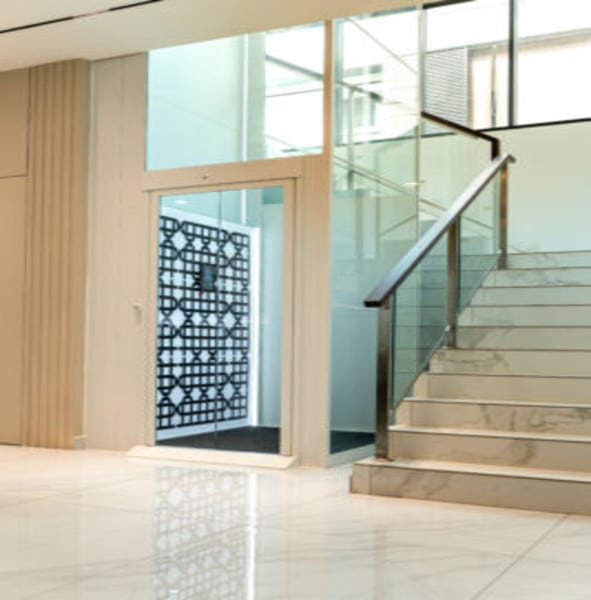
Battery-driven lifts have no hydraulic fluids, no exposed cables under tension, no oil pumps, and minimal exposed metal components. The lift mechanism uses sealed battery packs, enclosed electric motors, and predominantly aluminium or composite structural materials.
Aluminium naturally forms a protective oxide layer resistant to salt corrosion. Unlike steel, it doesn’t rust in the traditional sense. Modern marine-grade aluminium alloys used in quality lifts like SWIFT’s models handle salt exposure remarkably well.
Sealed battery systems aren’t affected by external humidity. The batteries are enclosed in protective casings preventing moisture ingress. Temperature variations within normal Australian ranges don’t significantly impact modern lithium or sealed lead-acid battery performance.
Electronic control systems are fully enclosed and sealed against moisture. There’s no machine room requiring ventilation that allows humid or salt-laden air into sensitive mechanical spaces. The self-contained nature of battery-driven platform lifts means environmental exposure is minimised.
For Brisbane’s humidity, battery-driven lifts avoid the condensation and moisture ingress issues affecting hydraulic pumps and cable mechanisms. For Perth’s salt exposure, the aluminium construction and sealed components resist corrosion far better than exposed steel cables or hydraulic cylinders.
This isn’t theoretical. SWIFT has numerous installations in coastal Brisbane suburbs and Perth beachside homes operating reliably with standard maintenance schedules and no special coastal treatments.
Specific Considerations for Brisbane Homeowners
If you’re in Brisbane or the Gold Coast considering a home lift, several factors specific to Queensland’s subtropical climate matter.
Humidity Management
Traditional lifts with machine rooms require ventilation to prevent overheating, but ventilation allows humid air into spaces containing sensitive electronics and mechanical components. This creates a constant challenge in Brisbane’s climate.
Battery-driven platform lifts eliminate this problem because there’s no separate machine room. The lift is self-contained without requiring environmental control for a separate plant room. SWIFT’s installations in Brisbane homes from Hamilton to Bulimba to Hawthorne demonstrate this advantage clearly.
Mould and Mildew Prevention
Brisbane’s humidity encourages mould growth on any suitable surface. Lift shafts with poor ventilation or areas where moisture accumulates can develop mould problems affecting air quality and requiring remediation.
Open platform lifts with good airflow around the mechanism reduce mould risk compared to enclosed shafts. The materials used matter too; aluminium and powder-coated finishes resist mould better than timber or fabric components. SWIFT’s platform lifts use materials selected specifically to resist biological growth in humid climates.
Storm and Power Reliability
Brisbane’s summer storm season brings regular power outages, sometimes lasting hours or days in severe weather events. A lift dependent on mains power or with only minimal battery backup leaves elderly or mobility-impaired residents stranded.
SWIFT’s four-day battery backup isn’t just a convenience feature for Brisbane homeowners; it’s essential resilience for Queensland’s storm-prone climate. Your lift continues operating through multi-day outages, ensuring accessibility when you need it most.
Timber Home Considerations
Many Brisbane homes, particularly Queenslanders and older constructions, use timber extensively. Installing lifts in timber homes requires careful structural assessment and appropriate mounting techniques to handle Queensland’s humidity-driven timber movement.
Lightweight battery-driven lifts impose less structural demand than heavy hydraulic systems, making them more suitable for timber Queensland homes. The self-supporting structure of SWIFT’s platform lifts reduces the load transferred to existing timber framing, and careful consideration of lift dimensions ensures a perfect fit without compromising interior space or safety.
Council and Certification Requirements
Brisbane City Council and neighbouring councils have specific requirements for building certification. Working with installers experienced in Queensland regulations ensures smooth approval processes. SWIFT’s Brisbane operations include council liaison and building certification coordination specific to Queensland requirements.
Specific Considerations for Perth Homeowners
Perth’s coastal environment presents different challenges requiring different approaches.
Salt Air Corrosion Management
Suburbs from Cottesloe to Scarborough, Fremantle to Rockingham face persistent salt aerosol from sea breezes. Any exposed metal components will corrode unless specifically designed for marine environments.
Hydraulic lifts installed near the Perth coast require expensive marine-grade stainless steel components and protective coatings, significantly increasing costs. Cable-driven lifts need frequent cable inspection and earlier replacement cycles.
Battery-driven lifts with aluminium structures and sealed components sidestep much of this corrosion challenge. SWIFT installations in Perth coastal suburbs from Cottesloe to North Beach to Fremantle show minimal corrosion even after years of exposure to Perth’s sea breezes.
Temperature Extremes
Perth’s summer heat stresses equipment designed for moderate climates. Hydraulic oil viscosity changes significantly between 40°C summer afternoons and 8°C winter mornings affect performance. Electronic components in machine rooms without climate control can overheat.
Battery technology handles Perth’s temperature range comfortably. Modern battery systems operate effectively across the temperature extremes Perth experiences. SWIFT’s lifts include thermal management ensuring consistent performance whether it’s a January scorcher or a July cold snap.
Building on Sandy Soils
Many Perth coastal areas are built on sandy soils that shift slightly over time. Homes experience minor settlement or movement, particularly in the first years after construction.
Rigid lift installations can suffer alignment problems as buildings settle. SWIFT’s platform lifts with self-supporting structures and flexible mounting systems accommodate minor building movement without affecting operation or requiring constant realignment.
Water Corporation and Planning Considerations
Perth’s councils and the Water Corporation have specific requirements around excavations and building modifications. Installing lifts requiring deep pits can trigger additional approvals or restrictions.
Battery-driven platform lifts requiring zero or minimal pit depth avoid these complications entirely. SWIFT’s installations in Perth typically don’t require pit excavation, simplifying approval processes and reducing costs.
Bushfire-Prone Area Considerations
Some Perth hills and outer coastal areas are designated bushfire-prone. While this doesn’t typically prevent lift installation, emergency evacuation planning may be required. Lifts with reliable battery backup that continues operating during power outages support safer emergency evacuation.
Maintenance Requirements for Coastal Installations
Understanding what maintenance actually matters in Brisbane and Perth helps homeowners budget realistically and keep lifts operating reliably.
Standard Annual Servicing
All lifts need annual servicing regardless of location. For coastal installations, servicing should specifically include inspection of any exposed metal components for corrosion, checking seals and weather-stripping on doors and enclosures, verifying battery performance and charge capacity, testing emergency systems including backup power, and cleaning to remove salt deposits or humidity-related contamination.
Quality installers like SWIFT include coastal-specific checks in their standard servicing protocols for Brisbane and Perth installations. This isn’t charged as an expensive “coastal premium” but incorporated into routine maintenance.
Cleaning and Protection
In particularly exposed coastal locations (within 500 metres of the beach), occasional cleaning of external components with fresh water helps remove salt deposits before corrosion starts. This is simple homeowner maintenance taking perhaps 15 minutes every few months.
Protective treatments on exposed metal parts can extend component life. SWIFT’s aluminium structures require minimal additional protection, but any steel fixings or secondary components benefit from occasional inspection and treatment. For homeowners seeking style and functionality, custom lift interiors can be designed with durable finishes and materials that withstand wear while complementing your home décor.
Component Replacement Cycles
In harsh coastal environments, some components may need replacement slightly earlier than inland installations. For hydraulic lifts, expect seals, hoses, and potentially cylinders to need replacement 20-30% sooner in coastal locations. Cable-driven lifts may need cable replacement on accelerated schedules.
Battery-driven lifts show less difference between coastal and inland component longevity. Batteries last similar periods regardless of location (typically 5-7 years). Structural aluminium doesn’t degrade faster coastally. Electronic components sealed against moisture aren’t significantly affected.
Documentation and Service Records
Maintaining comprehensive service records matters everywhere but particularly in coastal areas where insurance companies may scrutinise maintenance history if corrosion-related claims arise. SWIFT provides detailed service documentation after every visit, creating the compliance trail that protects homeowners.
Questions Brisbane and Perth Buyers Should Ask Installers
Before committing to a home lift installation in coastal Australia, ask these specific questions to evaluate whether the installer understands coastal challenges.
What specific measures do you take for coastal installations?
Generic answers like “we use quality components” aren’t sufficient. You want to hear about marine-grade aluminium construction, sealed electronic components, corrosion-resistant fixings, and proven installations in coastal locations.
Can you show me installations in similar coastal environments?
Installers experienced in Brisbane or Perth coastal work should readily provide examples of nearby installations you could potentially view. SWIFT can direct Brisbane homeowners to installations in coastal suburbs and Perth customers to beachside examples.
How does your maintenance schedule account for coastal conditions?
If the answer is “we don’t do anything different” or “we charge 50% extra for coastal maintenance,” both are red flags. Proper coastal maintenance includes specific checks without necessarily costing dramatically more.
What warranty coverage applies in coastal locations?
Some manufacturers exclude or limit warranties in coastal environments or define “coastal” so broadly that virtually all Brisbane and Perth homes are excluded. SWIFT’s five-year warranty applies to Brisbane and Perth installations without coastal exclusions, demonstrating confidence in the technology’s coastal suitability.
What materials are used in construction, and how do they handle salt and humidity?
You want to hear about aluminium alloys, sealed components, and corrosion-resistant materials. If the answer emphasises protective coatings on steel components, understand you’re relying on coatings that will eventually fail rather than inherently resistant materials.
What happens during power outages, and how long does backup last?
In Brisbane’s storm season or Perth’s occasional network failures, battery backup duration matters. “Emergency descent capability” isn’t the same as “four days of full operation.” SWIFT’s extended backup provides genuine resilience.
Why SWIFT Works Particularly Well in Brisbane and Perth
Several characteristics make SWIFT’s battery-driven platform lifts especially suitable for Australian coastal cities.
Aluminium Construction
The marine-grade aluminium structural components resist salt corrosion inherently, not through applied coatings that degrade. This provides long-term reliability in Perth’s salt air and Brisbane’s humidity without requiring special maintenance.
Sealed Component Design
Battery packs, electronic controls, and motors are sealed against moisture ingress. Brisbane’s humidity and Perth’s sea spray don’t penetrate to sensitive components. This isn’t an expensive coastal upgrade; it’s standard construction.
No Hydraulic Fluids
Eliminating hydraulic systems removes the most problematic coastal vulnerability. No seals to degrade in temperature extremes, no condensation contaminating hydraulic oil, no corrosion on hydraulic cylinders.
Extended Battery Backup
Four days of operation without mains power provides genuine resilience for Brisbane’s summer storms and Perth’s network outages. This isn’t marketed as a coastal feature, but it addresses a real coastal city concern.
Proven Local Performance
SWIFT has operating installations throughout Brisbane’s coastal suburbs and Perth’s beachside areas with service histories proving reliable performance in exactly the conditions you’re concerned about. This isn’t theoretical coastal suitability but demonstrated real-world performance.
Local Service Support
SWIFT maintains service operations in both Brisbane and Perth with technicians who understand local conditions and can respond quickly to any issues. You’re not waiting for interstate technicians or dealing with companies without local presence.
Comprehensive Warranty Without Coastal Exclusions
The five-year warranty applies fully to Brisbane and Perth coastal installations. If SWIFT wasn’t confident in coastal performance, they’d exclude or limit coastal coverage the way many manufacturers do.
Real Brisbane and Perth Installation Examples
Understanding how lifts perform in actual coastal Australian homes provides useful perspective.
Hamilton, Brisbane
A two-storey Queenslander 800 metres from the Brisbane River (effectively a coastal humidity environment) had a SWIFT Lite model installed in 2021. After three Brisbane summers and the 2022 flood-related humidity spike, the lift operates without corrosion issues, battery performance remains strong, and no special maintenance beyond standard annual servicing has been required. The homeowners report it performs identically to when installed despite Brisbane’s challenging climate.
Cottesloe, Perth
A three-level townhouse 300 metres from Cottesloe Beach faces direct afternoon sea breezes. SWIFT Pro model installed in 2020 shows minimal surface corrosion on fixings, and aluminium structure maintains appearance and integrity. Annual servicing includes salt removal from external components (a 10-minute task), but no accelerated component wear or performance degradation has occurred despite intense salt exposure.
Sandgate, Brisbane
A beachfront property with extreme humidity and salt exposure had concerns about lift viability. SWIFT installation in 2019 has now operated through five humid summers with zero corrosion on the aluminium structure and consistent battery performance. The homeowner notes that their previous hydraulic lift (different property) required seal replacement after three years, but the SWIFT installation has needed only routine servicing.
These aren’t cherry-picked success stories but typical coastal installation experiences demonstrating that appropriate technology handles Australian coastal conditions reliably.
Coastal Installation Costs and Value
Brisbane and Perth homeowners often wonder if coastal locations increase installation costs significantly.
For hydraulic or cable-driven lifts, coastal installations can cost 15-25% more due to marine-grade component requirements, protective treatments, and more robust weather sealing. Ongoing maintenance costs also increase.
Battery-driven platform lifts like SWIFT’s models don’t typically require coastal premiums. The standard construction already handles coastal conditions, so Brisbane and Perth installations cost the same as inland installations. The base price for a G+1 SWIFT Lite is approximately $23,700 AUD, and the Pro model around $25,000 AUD, regardless of whether you’re in coastal Manly or inland Toowoomba, beachside Fremantle or suburban Joondalup.
This pricing transparency eliminates the common experience of receiving coastal quotes significantly higher than advertised prices, only to discover the base price assumed inland installation.
Frequently Asked Questions
Absolutely, provided you choose technology designed to handle humidity, salt exposure, and temperature variations common in coastal environments. Modern battery-driven platform lifts are particularly well-suited to Brisbane, Perth, and other Australian coastal cities because they use corrosion-resistant aluminium construction rather than exposed steel components, sealed battery and electronic systems protected from moisture and salt air, minimal mechanical components that could corrode or degrade, and materials selected specifically for durability in variable environmental conditions. SWIFT has extensive operating experience in coastal Brisbane suburbs like Manly, Sandgate, and Hamilton, and Perth beachside areas including Cottesloe, Scarborough, and Fremantle, with installations performing reliably for years without special coastal treatments or premium maintenance costs. The key is avoiding technologies vulnerable to coastal conditions like hydraulic systems with exposed cylinders and seals, cable-driven lifts with corrosion-prone steel cables, and designs requiring ventilated machine rooms that allow humid or salt-laden air into sensitive spaces. Choose appropriate technology and coastal homes are excellent candidates for residential lift installations.
Humidity impacts different lift technologies differently. Hydraulic lifts can suffer from condensation forming on cold hydraulic components, moisture contaminating hydraulic oil through compromised seals, electronic control systems experiencing moisture ingress if poorly sealed, and accelerated seal degradation from humidity-driven swelling and contraction. Cable-driven lifts face cable lubrication attracting moisture and contaminants, motor winding insulation breakdown from persistent humidity, and corrosion at cable attachment and pulley points. Battery-driven platform lifts are substantially less affected because sealed battery systems prevent moisture ingress into power components, enclosed electronics are protected from humidity exposure, aluminium structures don’t corrode from humidity alone, and there are no fluid systems where condensation can contaminate lubricants or hydraulic oil. In Brisbane’s 70-80% humidity environment, SWIFT installations show no performance degradation compared to drier climates. Annual servicing includes checking seals and weather-stripping, but this is routine maintenance rather than addressing humidity damage. The technology simply handles humidity as part of normal operating conditions rather than requiring special protection or accelerated maintenance.
Coastal installations in Brisbane, Perth, and similar environments require standard annual servicing plus minor additional attention to environmental factors. Annual servicing should include inspection of any exposed metal components for early corrosion signs, checking and cleaning door seals and weather-stripping, verifying battery performance hasn’t degraded, testing emergency and backup systems, and removing any salt deposits from external surfaces. For particularly exposed locations within 500 metres of the beach, homeowners can occasionally rinse external components with fresh water to remove salt buildup (10-15 minutes every 2-3 months). This is simple preventive care similar to hosing down outdoor furniture. SWIFT’s servicing protocols for Brisbane and Perth installations incorporate these coastal checks within standard annual service visits without charging coastal premiums. Component replacement schedules for battery-driven lifts don’t significantly differ between coastal and inland locations. Batteries last 5-7 years regardless, aluminium doesn’t degrade faster coastally, and sealed electronics aren’t affected by external conditions. Comprehensive service documentation after every visit creates maintenance records valuable for insurance purposes and property resale.
Battery-driven platform lifts with aluminium construction and sealed components perform best in Australian coastal environments. The aluminium naturally resists salt corrosion through protective oxide layer formation, sealed batteries aren’t affected by external humidity or salt air, enclosed electronics prevent moisture ingress into sensitive controls, minimal exposed mechanical parts reduce corrosion vulnerability, and self-contained design eliminates machine rooms requiring ventilation that allows coastal air into sensitive spaces. Hydraulic lifts face significant coastal challenges including cylinder corrosion from salt exposure, seal degradation from temperature and humidity variations, oil contamination from condensation, and pump corrosion unless expensive marine-grade components are used. Cable-driven traction lifts struggle with steel cable corrosion in salt air requiring frequent inspection and earlier replacement, pulley and sheave corrosion at bearing points, and motor protection against moisture. For Brisbane’s humidity and Perth’s salt exposure, SWIFT’s battery-driven technology provides the optimal combination of coastal resilience, low maintenance requirements, and long-term reliability. The five-year warranty without coastal exclusions demonstrates confidence in coastal performance that many other manufacturers won’t match.


