

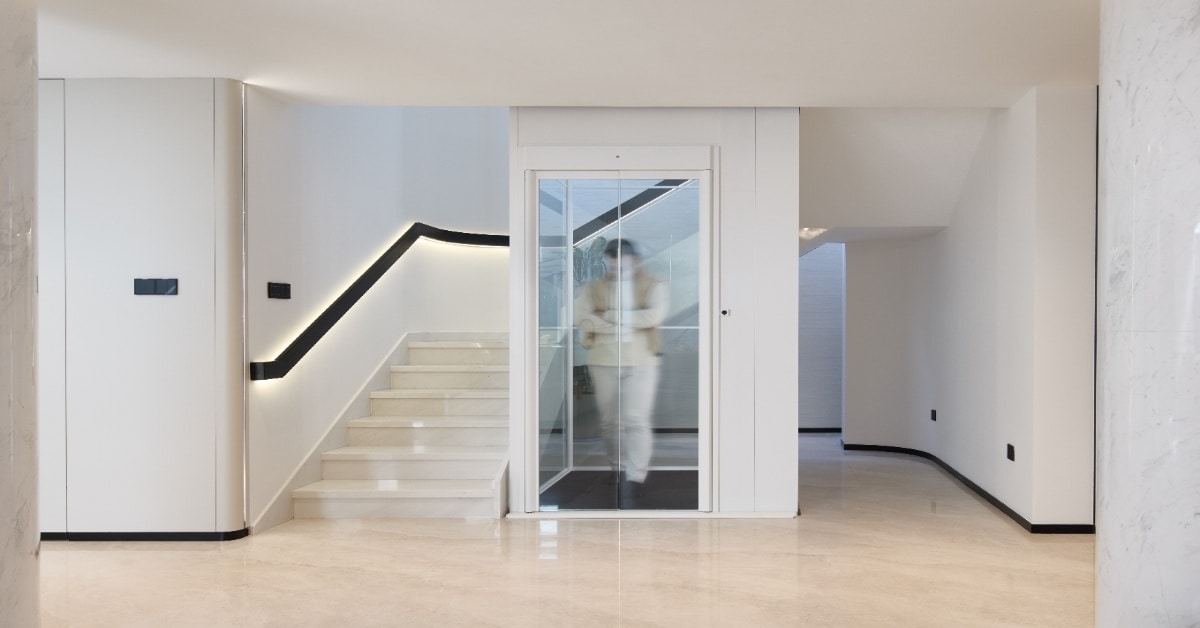
Perth homeowners researching a home elevator quickly notice something odd: a lot of the advice online is written for Sydney or Melbourne and doesn’t quite fit.
Western Australia runs its own building framework, Perth’s supplier market looks different to the east coast, and the city’s housing stock, all those sprawling single-storey homes and split-level builds out toward the hills, throws up its own particular questions. This guide sticks specifically to what a Perth homeowner actually needs to know in 2026.
That gap between generic Australian content and what actually applies here shows up constantly. A homeowner in Dalkeith or Mount Lawley reading an article written for a Melbourne terrace may come away with the wrong regulator, the wrong permit process, and often the wrong price entirely. This is an important consideration when comparing home lifts Australia homeowners can install, because WA’s market genuinely operates under different rules and a different cost structure from what is commonly published for the eastern states.
TL;DR (Too Long; Didn’t Read)
-
Cost: Expect to pay $30,000 to $85,000+ depending on technology (screw-drive, MRL traction, hydraulic, or vacuum), plus $5,000–$20,000 for site work, structural modifications, permits, and maintenance. Prices in Perth run slightly higher than Sydney or Melbourne due to shipping/freight costs and fewer local suppliers.
-
WA Building Regulations: All installations require a council building permit under the Building Act 2011 (WA) and compliance with AS 1735 and the National Construction Code. You can choose a certified application (BA1, ~10 business days) or an uncertified application (BA2, ~25 business days). Work must be completed by DEMIRS-registered practitioners.
-
Perth Climate Considerations: High summer temperatures (40°C+) can impact hydraulic fluid viscosity and cause MRL traction motors to overheat if poorly ventilated. Screw-drive and vacuum models tend to handle extreme heat with fewer issues.
-
Local Home Types: Perth’s sprawling single-storey, split-level, and raised-slab homes often suit compact platform or shaftless screw-drive lifts rather than traditional multi-storey elevator shafts.
-
NDIS Funding: Lifts can be funded under NDIS Home Modifications if deemed medically necessary by an Occupational Therapist (OT) and fully compliant with AS 1735 and local WA permit rules.
Why Perth and Wa Are a Genuinely Different Market
Western Australia’s building system runs under the Building Act 2011 (WA) and the Building Regulations 2012, alongside the Building Code of Australia, which forms part of the National Construction Code. Oversight sits with Building and Energy, a division of the Department of Energy, Mines, Industry Regulation and Safety (DEMIRS), which administers building permit requirements, maintains the state’s register of licensed building practitioners and surveyors, and handles the regulatory side of residential projects. These requirements are particularly important when planning a Home Lift for Elderly family members, as the installation must meet the relevant safety, accessibility and building requirements.
Perth’s housing market also shapes the conversation in a way that’s easy to overlook. Compared with the terrace-heavy inner suburbs of Melbourne or Sydney, Perth trends strongly toward large single-storey homes and split-level builds, particularly further out toward the hills and in newer estates, which means the typical Perth home elevator conversation is less about squeezing a lift into a narrow Victorian-era floor plan and more about connecting a raised entry level to a lower rear extension, or adding future-proofed access to a large single-level home before a second storey gets added down the track.
Installation Costs in Perth by Lift Type, 2026
Type |
Typical installed cost |
Notes |
| Screw drive (compact, shaftless) | $30,000 to $45,000 | Minimal pit, no machine room, generally the quickest retrofit option available in Perth |
| MRL traction (cable/drum) | $35,000 to $55,000 | Electric motor and cable system, energy-efficient, well suited to a genuine two-storey Perth home |
| Hydraulic | $40,000 to $65,000 | Needs a dedicated machine room and pit, higher lifting capacity, a common choice for larger Perth builds |
| Vacuum (pneumatic) | $60,000 to $85,000 | Shaftless glass-tube design, no pit needed, priced at a premium given the smaller number of suppliers offering it locally |
Perth prices generally sit a notch above equivalent Melbourne or Sydney quotes for the same lift type, and it’s worth understanding why rather than assuming you’re being overcharged. Freight is the biggest factor, most home elevator components are manufactured overseas or on the east coast and shipped to WA, adding real freight cost that eastern states don’t carry. Perth also simply has fewer local suppliers and showrooms than Melbourne or Sydney, which means less competitive pressure on pricing and sometimes a longer wait for a technician if something needs servicing. Budget an additional $5,000 to $20,000 on top of the base lift price for shaft construction, floor openings, or electrical upgrades specific to your site, and factor in permit fees and a first-year service contract on top of that.
WA Building Regulations: Permits, Practitioners and AS 1735
Every home elevator installation in Perth needs a building permit from your local government authority, there’s no exemption for residential lifts simply because they’re indoors. You’ll need to choose between a certified application, BA1, which requires a registered building surveyor to certify your plans before lodging, or an uncertified application, BA2, which is generally the simpler and less expensive route for a standard residential lift. Processing timeframes differ meaningfully between the two, typically around 10 business days for a certified BA1 application versus roughly 25 business days for an uncertified BA2, so it’s worth building that timeline into your project planning rather than assuming approval will land quickly.
The Western Australian Planning Commission, WAPC, sets broader strategic planning policy across the state, but for a straightforward home elevator installation, your local council remains the actual permit authority under the Building Act, so WAPC involvement is the exception rather than the rule for this kind of project. Any registered building practitioner, surveyor or contractor you engage should hold a current BP or BC registration number, which you can check against DEMIRS’s public practitioner register before signing anything.
AS 1735, the Australian Standard suite covering lifts, escalators and moving walks, applies to residential lift installations across the country, including WA. Compliance with the relevant parts is generally an important technical benchmark for building surveyors and NDIS assessors. This is particularly relevant when installing a home lift for an existing house, where the lift must be integrated with the property’s existing structure while meeting applicable safety and building requirements. The relevant AS 1735 provisions should therefore be considered alongside the National Construction Code requirements that apply to the wider building work.
Perth’s Climate: What Actually Holds Up in 40 Degree Summers
Perth summers regularly push past 40 degrees, and that heat genuinely affects some lift technologies more than others. Hydraulic oil viscosity changes with temperature, and a hydraulic unit working hard through a run of hot days can show slightly sluggish performance if the machine room isn’t properly ventilated, which is worth asking your installer about directly rather than assuming every hydraulic system handles Perth summers identically. MRL traction motors generate heat during operation too, and if the motor housing sits in an enclosed roof space without adequate airflow, sustained heat can shorten component life over years of use, so ventilation around the drive unit deserves the same attention as the shaft dimensions themselves. Screw-drive and vacuum systems generally hold up well through Perth’s heat, since neither depends on hydraulic fluid, and several Perth-based suppliers specifically market their electric and vacuum models as engineered for exactly this kind of sustained summer heat without performance issues.
Split-Level and Raised-Floor Perth Homes
The classic Perth split-level home, common in the hills suburbs and older established areas, presents a genuinely different structural puzzle to the multi-storey terrace problem east coast guides tend to assume. Rather than three or four full storeys, you’re often connecting two levels separated by a shorter rise, sometimes only a metre or two, which makes a compact vertical platform lift or a shaftless screw-drive unit a strong practical fit, since the shorter travel distance plays directly to their strengths. Raised-slab and Hamptons-style builds, increasingly common in newer Perth developments, often have a suspended timber or concrete floor with genuine under-house clearance, which can sometimes be used to accommodate a shallow pit more easily than a home built directly on a ground slab, though this always needs a proper structural assessment before assuming the void beneath your home is usable space rather than a load-bearing consideration in its own right.
NDIS Funding for Perth Home Elevators
A home elevator can be funded under an NDIS participant’s Home Modifications support category, provided an occupational therapist assesses the lift as necessary for the participant’s mobility needs and the installation complies with the National Construction Code and the relevant parts of AS 1735. Several Perth-based suppliers work regularly with NDIS participants, support coordinators and OTs, and understand that a WA building permit forms part of the compliance documentation an NDIS planner will expect to see before funds are released, so it’s worth choosing an installer who can produce that paperwork alongside the standard building approval rather than treating the two processes as unrelated. Given how long the full pathway can take, from initial OT referral through to a funded, approved and permitted installation, starting the conversation with your support coordinator early is worth more than almost any other single decision in the process.
It’s also worth confirming directly with your chosen supplier whether they hold formal NDIS provider registration or simply work alongside registered plan managers and support coordinators on a project basis, since both arrangements are common in Perth but they affect exactly how your funding gets drawn down and who’s responsible for which piece of paperwork.
Frequently Asked Questions
1. How much does a home elevator cost to install in Perth in 2026?
Expect to pay between $30,000 and $85,000 depending on the drive technology, with screw-drive and traction systems at the more affordable end and hydraulic or vacuum lifts at the premium end, plus additional structural and permit costs on top of the base price.
2. What building regulations apply to home elevators in Western Australia?
Home elevators fall under the Building Act 2011 (WA) and Building Regulations 2012, alongside the Building Code of Australia and AS 1735, with oversight from Building and Energy within DEMIRS and building permits issued through your local council.
3. Do I need a building permit to install a home elevator in Perth?
Yes, every permanent home elevator installation in Perth requires a building permit from your local council, either a certified BA1 application through a registered building surveyor or the generally simpler uncertified BA2 application.
4. Which type of home elevator is best suited to the Perth climate?
Screw-drive and vacuum systems generally handle Perth’s extreme summer heat with the fewest complications, since neither relies on hydraulic fluid, while hydraulic and MRL traction systems remain suitable provided the machine room or motor housing is properly ventilated.
5. How do I find a licensed home elevator installer in Western Australia?
Check that any building surveyor or practitioner involved in your project holds a current BP or BC registration number on DEMIRS’s public register, and ask your chosen lift supplier directly for their experience managing WA building permits and AS 1735 compliance documentation.
6. Can I use NDIS funding to install a home elevator in Perth?
Yes, under the Home Modifications support category, provided an occupational therapist assesses the lift as necessary and the installation meets National Construction Code and AS 1735 requirements, with several Perth suppliers experienced in working through this process alongside NDIS planners.


