

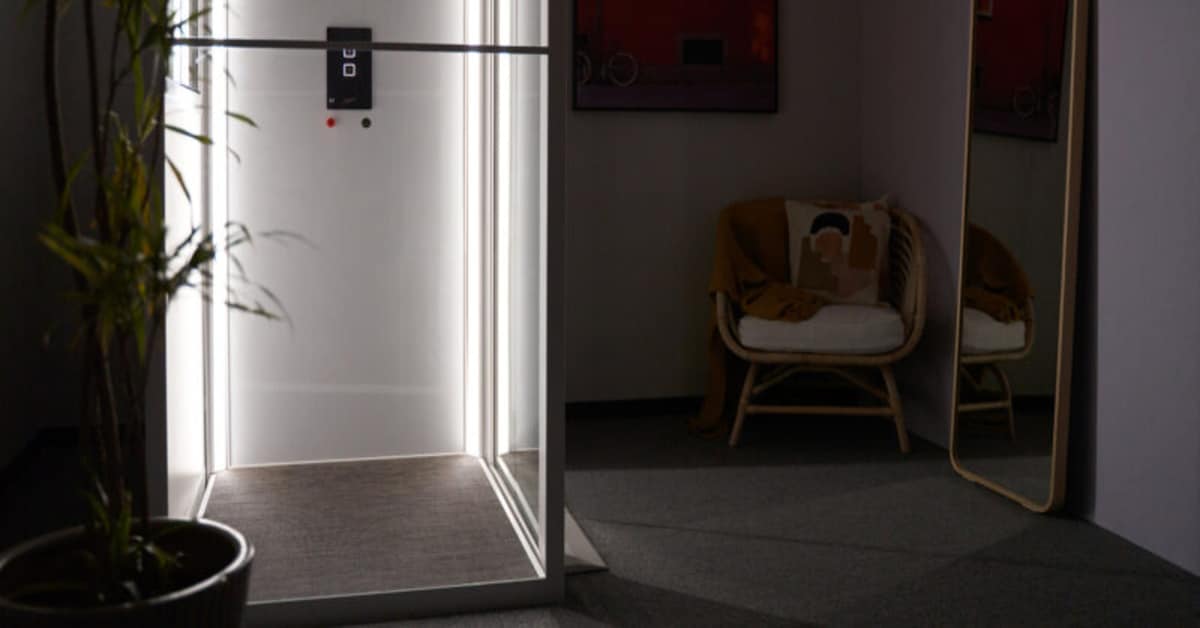
Finding small house lifts UK homeowners can install without major structural alterations is now easier than ever.
As more people look to improve accessibility, support ageing family members, or future-proof compact homes, modern home lifts have become a practical solution for properties with limited space. Unlike traditional residential elevators, today’s compact through-floor and platform lifts are designed to fit into tight areas such as stairwells, unused corners, or converted cupboards while requiring minimal building work. With space-saving designs, energy-efficient technology, and quick installation, small house lifts UK offer safe and convenient access between floors without compromising your home’s layout. This guide explains the best lift options, space requirements, installation considerations, and costs to help you choose the right solution for your home.
TL;DR (Too Long; Didn’t Read)
-
Target Audience: Indian homeowners, families, and renovators planning accessibility or upgrading an independent 3-floor (G+2) house or triplex.
-
Key Questions Answered: What makes a 3-floor lift installation different from a 2-floor, what does it cost in India in 2026, and what permits or structural prep are needed?
-
Solutions Provided: Detailed breakdown of lift technologies (screw, hydraulic, traction), realistic G+2 pricing with hidden costs, municipal/society permit advice, and retrofit structural guidelines.
-
Why Trust This Guide: Aligned with updated 2026 Indian market prices, IS 14665 standards, local municipal bye-laws (e.g., BBMP, DDA), and real site-retrofitting requirements.
-
What You’ll Learn:
-
Real installed costs (₹14.5 lakh to ₹30+ lakh) across all 4 main lift types
-
Crucial structural planning (slab coring, load-bearing walls, weatherproofing)
-
Municipal approvals, NOC requirements, and realistic annual maintenance costs (₹10k–₹25k/yr)
-
How Small House Lifts Actually Work in Practice
A Small house lift in the UK today is not a scaled‑down commercial elevator. It’s a purpose‑built domestic system that sacrifices some speed, capacity, and “grand lift” presence to gain the one thing many UK homes need most: tiny floor space.
The three most common UK types that work in tight spaces are:
- Compact through‑floor lifts: A small platform that moves straight through a floor opening, often with a partial enclosure or glass screen. Very common in retrofits, especially where a full cabin is too big.
- Small cabin home lifts: A fully enclosed lift that needs a shaft but comes in footprints as small as about 85–100 cm wide by 80–100 cm deep in plan, roughly the space of a large armchair.
- Platform lifts for small height gaps: Often used between basement and ground, or on a shallow internal ramp, where only a small vertical rise is needed.
Minimum Space Needed for a Small House Lift in the UK
Many homeowners give up on a home lift before they need to, simply because they assume “lift = huge pit + big shaft + structural monster.” That’s rarely true for modern UK small lifts.
Here’s how the space elements break down:
1. Floor Space (The Lift “Footprint”)
This is the space the lift itself takes up on each floor.
Typical minimums:
- Smallest compact lifts: around 880 mm × 965 mm (about 0.85 m²).
- Slightly larger compact lifts: 1 m × 1.2 m is a common “small but still usable” size.
- Through‑floor lifts: often 600–700 mm width × 800–1000 mm depth, with the external enclosure a bit larger.
A traditional lift often needs a deep pit for safety gear and machinery. Modern small lifts usually minimise this.
Typical minimums:
- No‑pit or very shallow pit (≤5 cm): compact domestic lifts like SWIFT, where the lift sits on the floor or in a minimal pit. Ideal for retrofit or houses with limited space.
- Low‑pit (50–100 mm): many compact UK lifts require only a shallow pit or a small ramp, suitable for most existing homes.
- Standard pit (300–500 mm+): usually only in heavier, more traditional traction systems, which are less common in space‑starved UK homes.
If your home is void‑free or has a suspended timber floor, a no‑pit or shallow‑pit system dramatically reduces structural work and cost.
3. Headroom (Ceiling Height)
The lift needs space above the top floor for the machinery and safety gear.
Typical requirements:
- Compact lifts / through‑floor lifts: often as little as 2.3–2.7 m total travel plus headroom.
- Some systems: models like SWIFT come with a headroom of around only 2275 mm, making them viable even in homes with standard ceilings.
4. Aperture Size (Floor Opening)
Typical UK minimums:
- Compact lifts: around 750–900 mm × 1000–1100 mm.
- Through‑floor lifts: often 700–800 mm × 1000–1050 mm, depending on model.
This is critical for retrofit projects: the opening must be structurally safe and still leave enough solid floor around doors, cupboards, radiators, and stairs.
Where a Small House Lift Can and Can’t Go in a Typical UK Home
The best UK small lifts are systems that can be “dropped into” existing spaces, not those that demand you rebuild half the house.
Where Small Lifts Often Work Well
- Under the stairwell: A classic spot for a through‑floor lift or small cabin, where the area under the stairs is already a dead corner. Very common in terraced and semi‑detached homes.
- Stairwell side / stairwell void: If the stairwell has a half‑landing or a side void, that can be enough space for a slim shaft without touching the main staircase.
- Converted cupboard or storage area: Old tall cupboards, boiler rooms, or even a small WC can be repurposed, especially if the lift only needs around 1 m² of floor space.
- Bedroom or landing area: In a larger bedroom or a broad landing, a small lift can be tucked into a corner without wrecking the room’s layout.
- External wall (for self‑supporting lifts): Some modern lifts are designed as freestanding structures fixed to the outer wall, with openings cut into the house on each floor.
Where Small Lifts Usually Don’t Work (And Why)
- In a 1930s semi with a 100 mm wide landing: If the landing is already too narrow for a comfortable door swing, adding a lift shaft is either impossible or forces very awkward circulation.
- In a 1½ storey bungalow with a 1.8 m first‑floor ceiling: Very low headroom eliminates many lift options; the cost and complexity of raising the roof almost always make the lift a bad economic decision. SWIFT can solve many of these situations as well. Contact us for more info.
- In a flat or maisonette with no common access to the roof: Traditional lifts need machinery above the top floor; if there’s no access, a standard lift is off the table, and only very compact through‑floor or platform options remain.
- In a heritage property where floor openings aren’t allowed: Conservation areas, listed buildings, or strict lease conditions may forbid cutting through floors, effectively ruling out most through‑floor and cabin lifts.
Constraints Beyond Floor Space: What People Forget
Focusing only on floor space leads many homeowners to think “there’s a 1 m² gap, so a lift is easy.” In reality, several other constraints determine whether a small lift is practical:
- Access for installers: Can the lift modules get into the house? Compact lifts that are modular and weigh under 40–50 kg per piece are far easier to install in narrow halls and up tight stairs.
- Power and electrics: Even a small lift needs a dedicated power supply. If the consumer unit is already full or far from the lift location, that adds cost and complexity.
- Fire safety and building control: In the UK, even a small lift is a significant building alteration. Fire resisting materials, sealed shafts, and certain safety features are mandatory, and local authorities will want to approve them.
- Structural support: The floor and walls must support the lift’s weight in operation. In older homes, this often means reinforcing joists, which reduces usable space and increases cost.
- Circulation and door swing: The lift needs clear space to get in and out on each floor, and the door must be able to open fully without hitting stairs, furniture, or another door.
Small Lifts in Terraced and Semi‑Detached Homes: What’s Possible
Terraced and semi‑detached homes are where the “small house lift” question is most urgent: tight facades, narrow staircases, small landings.
Typical practical solutions:
- Through‑floor lift under the stairs: Probably the most common retrofit in UK terraced homes. The opening goes through the stair void, the lift is contained in a small enclosure, and the rest of the ground floor and first floor remain largely unchanged.
- Slim shaft in a bedroom or living room corner: A 0.8–1.0 m² shaft in a bedroom corner or at the end of a living room can connect two floors without major changes to the staircase.
- Freestanding structure on the rear wall: In some cases, a small external lift tower is built on the back wall, with doors cut into the kitchen and first‑floor bedroom or living area.
Key success factors:
- The owners accept that the lift will be visible, not completely invisible.
- The lift only serves 2–3 floors; more than that usually requires a bigger system.
- The older person using the lift is comfortable with a small, simple cabin rather than a large, “hotel‑style” lift.
Suitable Floors for Small Lifts
Small lifts are most practical and cost‑effective for:
- Houses with 1–5 storeys above ground: Especially ideal for ground to first floor, and sometimes basement to ground.
- Travel distances of roughly 3–10 m: Most compact lifts are designed for low to moderate height, not 10‑floor mansions.
Where they become less practical:
- 6 or more floors in a small house: Each additional floor usually increases space and structural demands; beyond 6 floors, a very compact lift quickly becomes a full cabin lift.
- Very short rises (e.g., just one or two steps): Here, a small platform lift or a ramp is often simpler and more flexible than a full lift.
Are Small Home Lifts Suitable for Elderly Users?
They can be, but the question should be: “What does the elderly user actually need to be safe and comfortable?”
Pros for elderly users:
- Stair replacement / stairs kept for others: The older person can use the lift every day, while younger family members, visitors, and carers keep stairs as the main route.
- Consistent, controlled movement: A small lift is usually smooth, quiet, and predictable, reducing the risk of dizziness or loss of balance compared with stairs.
- Safety features still present: UK‑compliant small lifts must still meet safety standards, including emergency communication, automatic door sensors, and emergency lowering, so the risk of being trapped is very low.
Trade‑offs for elderly users:
- Small cabin size: May feel cramped, especially if the person uses a walking frame or wheelchair; a separate, larger lift or platform is needed for full mobility aid access.
- Potentially higher step into the cabin: Smaller lifts may have a higher step or less smooth floor transition, which can be a trip risk for frail users.
Decision rule:
Do Compact Lifts Compromise on Safety?
They shouldn’t, but safety depends on regulation, installation, and maintenance, not just on size.
UK safety requirements:
- All home lifts must comply with BS 5900 (domestic lifts) and typically follow parts of EN 81‑41 as well, which cover construction, electrical safety, and operational safety for residential lifts.
- They must be installed under the supervision of a competent person, and often require Building Control sign‑off.
- They must have key safety features: emergency stop, alarm/communication, automatic door protection, emergency lowering, and overload protection.
Where small lifts can feel less safe:
- In very narrow, elongated cabins with limited handrails.
- Poor lighting or small, hard‑to‑see controls.
- Insufficient headroom or awkward door positions leading to tripping.
- Poor maintenance and skipped servicing, which makes any lift unsafe, regardless of size.
A well‑designed, compliant small lift in a typical UK home is safe for everyday use; it’s not a shortcut to bypass safety standards.
How to Plan a Small Lift in a UK Home
If you’re genuinely considering a small house lift for your UK home, here’s a practical, no‑fluff planning sequence:
- Identify the need
Who will use it? Elderly, wheelchair? How many people at once?
Which floors must it connect? How many storeys?
- Identify potential locations
Measure all spots: under stairs, narrow landings, cupboards, corners.
Note headroom, access to the space, and how doors will open.
- Get a feasibility survey from a UK lift specialist
Choose a company that installs in traditional UK homes, not just luxury new builds.
Ask for a clear plan: lift size, aperture, pit, headroom, and structural impact.
- Understand the total cost
Lift supply and installation.
Building works (cutting floors, fire protection, finishes).
Electrical work and ongoing maintenance/service.
- Compare like with like
Compare at least two quotes, all quoting for the same number of floors, cabin size, and safety features.
Ensure each quote clearly states: footprint, pit, headroom, travel height, and included safety systems.
Why Engineering-Led, Space‑Optimal Lifts Like SWIFT are a Strong Choice
A lift like SWIFT stands out in this segment because:
- It’s designed from the start for tiny footprints (around 0.85 m²) and minimal headroom, making it a practical option for narrow townhouses, under‑stair areas, and older homes where space is at a premium.
- The drive and safety systems are built to UK and European standards, so the small size doesn’t mean compromised safety or reliability; it means optimised engineering for the constraints of real UK homes.
- The installation is modular and designed for low‑impact retrofits, so it’s realistic to fit into an existing home without turning it into a major building project.
If your goal is a small, reliable, standards‑compliant lift that fits into a genuinely tight UK home, comparing a classic “budget” product against a properly engineered compact lift like a SWIFT helps bring the reality of “small lift, big difference” into clear focus.
Frequently Ask Question
3. How much space is required for a small house lift in the UK?
A compact small house lift can require as little as roughly 880 mm × 965 mm (about 0.85 m²) of floor space, plus a small aperture in each floor (e.g., 720–900 mm × 1000–1065 mm), shallow or no pit, and modest headroom (~2.3–2.7 m typical).
2. Can small lifts be installed in terraced or semi‑detached homes in the UK?
Yes, small lifts are commonly installed in UK terraced and semi‑detached homes, often under the stairwell, in a cupboard, or in a corner, as long as there is enough floor space, headroom, and structural support.
3. Are small home lifts suitable for elderly users in the UK?
Yes, small home lifts can be suitable for elderly users who can walk and stand, especially if the lift is well‑sited and has safe, easy access, handrails, and compliant safety features. For those who need a wheelchair, a slightly larger lift or platform is usually needed.


