

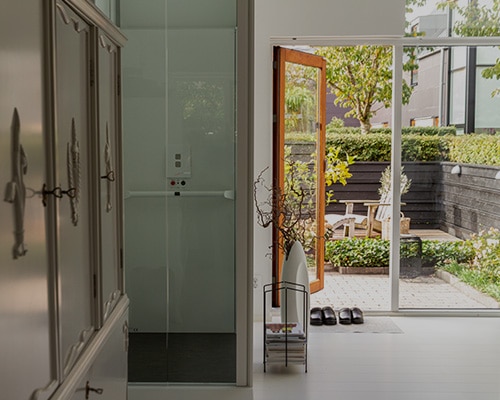
For many Australian homeowners, space is at a premium.
Whether you live in a modern townhouse, a narrow city lot in Sydney or Melbourne, or a two-storey coastal home, fitting a traditional lift into your property can seem impossible.
That’s where small home elevators come in — compact, quiet, and designed to fit seamlessly into tight spaces without compromising on safety or style.
In this guide, we’ll break down how small home elevators work, what they cost in Australia, and why they’re becoming the go-to upgrade for space-conscious families and retirees across the country.
Why Australians Are Choosing Small Home Elevators
Over the past few years, compact and affordable home elevators have become one of the most in-demand features in Australian homes — not just for accessibility, but also for future-proofing and comfort. This growing demand is especially noticeable in major cities, with home lifts Sydney homeowners increasingly choosing compact lift solutions to suit narrow lots and modern two-storey designs.
Here’s why:
- Narrow block homes are common across major Australian cities, particularly Sydney, Melbourne, and Perth.
- Many two-storey homes or split-level townhouses have limited stair space.
- Ageing homeowners want to stay in their homes longer without worrying about stairs.
- Families are looking to add value and modern convenience to their homes without a complete renovation.
A small home elevator can fit in spaces as tight as a wardrobe or stairwell void, making it a practical and elegant solution for Australian homes of all sizes, with growing demand for home elevators Melbourne residents are choosing for space-conscious and modern living.
What Is a Small Home Elevator?
A small home elevator, sometimes called a compact lift or mini home lift, is a space-saving vertical lift system designed for residential use. Unlike traditional commercial lifts, these systems:
- Require minimal shaft or pit space
- Can be installed within existing homes
- Operate quietly using screw-drive or hydraulic systems
- Plug into a standard power supply (in many models)
These lifts typically carry 2 to 4 passengers and travel between two to four floors, making them perfect for two-storey homes, townhouses, or granny flats.
Best Home Types for Compact Lifts
Small home elevators are especially suited for:
1. Narrow or Terrace-Style Homes
In older Sydney suburbs or inner-city areas like Fitzroy or Newtown, space is tight. Compact lifts can fit into a 1-square-metre footprint, making them ideal for these layouts.
2. Two-Storey Family Homes
Perfect for families with young kids or elderly members. Moving between floors becomes effortless and safe.
3. Split-Level Homes
Homes built on sloping blocks can benefit from compact lifts that bridge different floor levels without complex stairs.
4. Retrofitted Properties
Small home elevators can be installed without major structural changes, which makes them perfect for existing homes or renovations.
Key Benefits of Small Home Elevators
Let’s look at why compact home lifts are becoming a practical must-have in Australian homes:
1. Space-Saving Design
Compact lifts can be installed in spaces as small as 900mm x 900mm, fitting neatly beside stairways, in corners, or even through floor designs.
2. Quick and Easy Installation
Because small home elevators don’t require a deep pit or large shaft, most can be installed within 2–3 days once the site is prepared.
3. Energy Efficient
Modern lifts use efficient motors and regenerative drives that consume less power than most household appliances. Some screw-driven systems plug into a single 240V outlet.
4. Quiet Operation
Unlike older hydraulic models, today’s compact lifts run almost silently — ideal for open-plan homes or late-night use.
5. Low Maintenance
Annual servicing is often enough to keep your lift running smoothly for years.
6. Adds Property Value
A small lift isn’t just practical — it’s a premium home upgrade that improves resale value, accessibility, and design appeal.
Small Home Elevator Prices in Australia (2026 Guide)
Primary keyword: small home elevators
Secondary keywords: affordable home elevators, compact lifts price, cheap home elevators, compact home lifts price, small house elevators
While prices vary by brand and configuration, here’s a general cost overview for 2026:
| Type of Lift | Description | Typical Price Range (AUD) |
| Basic Compact Lift | Entry-level, 2 stops, minimal design | $28,000 – $38,000 |
| Mid-Range Small Home Elevator | For 2–3 floors, enclosed cabin | $40,000 – $55,000 |
| Premium Compact Lift | Custom finishes, smart controls | $60,000 – $80,000 |
| Outdoor or Glass Model | Weather-resistant, aesthetic design | $65,000 – $90,000+ |
These prices include standard installation but exclude additional construction work like cutting floor openings or reinforcing structures.
Factors That Affect Compact Lift Pricing
To help you budget effectively, here’s what influences your compact home lifts price:
- Number of Floors / Stops – Each extra floor adds roughly $5,000 – $10,000.
- Drive System – Screw-drive systems are compact and cost-effective; hydraulic lifts may cost slightly more.
- Cabin Size – Larger cabins or wheelchair-friendly options increase material and installation costs.
- Design & Finish – Standard powder-coated steel is cheapest; glass or stainless-steel finishes cost extra.
- Location & Access – Difficult access or older homes may require custom work.
- Brand & Warranty – Premium brands with longer warranties (5+ years) usually cost more upfront but offer better reliability long term.
Installation & Timeframe
Installing a small home elevator in Australia is surprisingly straightforward:
- Site Assessment: A lift consultant visits your home to measure space and recommend layout.
- Design & Order: Choose your preferred cabin style, finish, and floor configuration.
- Preparation Work: Floor cutting or minor electrical adjustments.
- Installation: Lift assembly, wiring, and safety checks – usually 2–5 days.
- Final Inspection: Certified by technicians for compliance with Australian safety standards (AS 1735).
Can You Install Small Home Elevators in Older Homes?
Absolutely, and that’s one of their biggest advantages.
Compact lifts are designed for retrofit projects, especially where traditional lifts won’t fit.
They can be installed:
- Internally, between two floors (through-floor model)
- Externally, attached to the building wall (for narrow interiors)
- In stair voids, for a clean integrated look
No major structural overhaul is needed — most homes just require minor reinforcement and power access.
Ideal Lift Size for a Two-Person Household
For most Australian couples or retirees, a 2-person compact lift (around 900mm x 900mm) is perfect.
It offers:
- Enough space for 2 adults or 1 person with mobility aid
- Low power consumption
- Easy integration into existing floor plans
If you want wheelchair access, consider a slightly larger cabin (1100mm x 1400mm) with a sliding door system.
Energy Efficiency and Maintenance
Modern small house elevators are built with sustainability in mind.
Typical energy usage per trip is equivalent to running a microwave for 30 seconds, and most units have a battery backup to safely lower the cabin during power outages.
Maintenance:
- One annual service is usually enough.
- Remote monitoring options are available in premium models.
- Spare parts are readily available across Australia.
Design and Customisation Options
Even compact lifts can look stunning.
Most Australian manufacturers now offer:
- Custom colour finishes to match your interiors
- LED lighting and soft-touch control panels
- Glass panels or panoramic walls for modern homes
- Smart control systems with touchscreens or app connectivity
You can choose between manual swing doors (space-saving and affordable) or automatic sliding doors (premium look and accessibility-friendly).
Compact Lift Price Comparison Snapshot (2026)
| Lift Type | Price (AUD) | Stops | Installation Time | Ideal For |
| Entry-Level Compact Lift | $28,000 – $35,000 | 2 | 2–3 days | Small homes, seniors |
| Mid-Range Home Elevator | $40,000 – $55,000 | 2–3 | 3–5 days | Family homes |
| Premium Glass Lift | $60,000 – $80,000 | 2–4 | 5–7 days | Luxury or design homes |
Why Choose a Compact Lift for Your Australian Home
A small home elevator isn’t just about convenience — it’s about making the most of your space while ensuring comfort for every family member.
From energy-efficient operation to flexible installation options, compact lifts have become the smart upgrade for modern Australian living.
Whether you’re renovating, building new, or planning to age in place, investing in a compact home lift can add long-term value and make your home more accessible for everyone.
Ready to Explore Compact Lift Options?
If you’re ready to explore affordable home elevators designed for Australian homes, start with a free quote and consultation.
- Expert advice for narrow-lot or two-storey homes
- Transparent compact lift pricing
- Nationwide installation and service
Frequently Asked Questions (FAQ)
Yes. Compact lifts are specifically designed for retrofits and can often fit into spaces like closets, stairwells, or corners without major renovations.
In most cases, yes — especially if structural changes are required. Your lift provider will assist with drawings and compliance documentation.
Typically between 2 to 5 days, depending on site preparation and number of stops.
Lorem ipsum dolor sit amet, consectetuer adipiscing elit, sed diam nonummy nibh euismod tincidunt ut laoreet dolore magna aliquam erat volutpat.
Most brands offer 2–5 years warranty, with optional extended service plans.


