

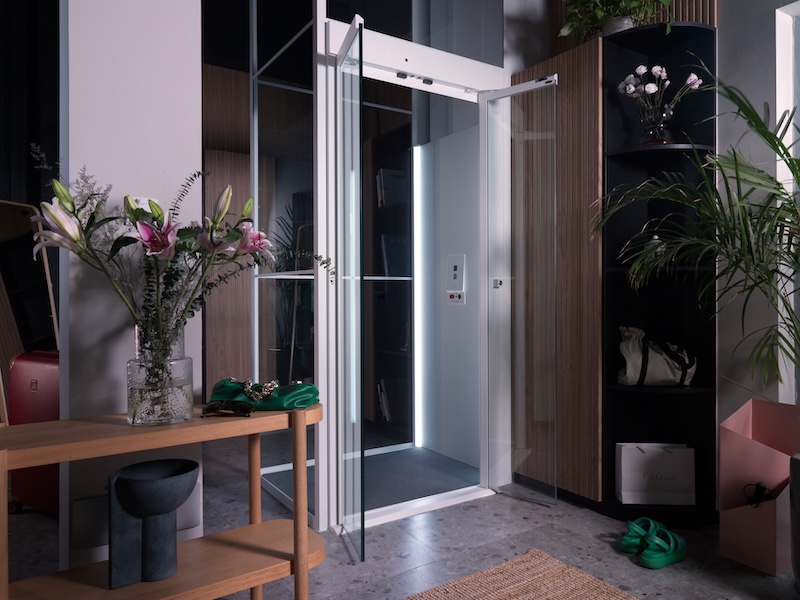
Home lifts are no longer a niche add-on; they have expanded to become a household staple for people looking for accessibility solutions or a home upgrade. There are several kinds of home elevators in Sydney, but the right choice depends on a lot of factors.
This guide aims to breakdown the various aspects of getting home lifts in Sydney like budget, space requirements, lift technology and associated safety regulations.
How to Make the Right Choice for your Home?
Choosing the right home lift in Sydney requires more than just choosing the aesthetics. There are many other aspects to take into account before investing in a home elevator. Here are the key factors to consider-
- The purpose of the lift- What is the need? Is it a lifestyle upgrade or a mobility assistance tool? Some people also install lifts to enhance the property value.
- The budget for the lift setup and the associated expenses, like installation costs, any required renovations, or electrical work.
- Available space and structural constraints- can the property accommodate a larger shaft, or does it need a compact design?
- Aesthetics and feel of the house. The lift should blend into the house decor and feel like a part of the ecosystem.
- Compliance with the national elevator safety regulations. All home lifts in Sydney should comply with two major Australian safety guidelines- NCC and AS1735.
Budget- How Much Does It Cost to Install a Home Lift in Sydney?
On average, the cost of a residential elevator system lies between $25,000 and $100,000 AUD. Different lift systems have different mechanisms and installation processes; therefore, they vary in cost.
- Battery-Driven Lifts: 42,000+ AUD (Machine-room less and energy-efficient lifts).
- Hydraulic Lifts: 40,000 – $60,000+ AUD (they need a separate machine room).
- Compact/Through-Floor Lifts: 30,000 – 45,000 AUD (require minimal space and have a smaller installation timeline).
- Vacuum Lifts: $80,000 – 100,000+ AUD (high initial cost but customizable and sleek design).
Space- An Important Consideration for Choosing Home Lifts in Sydney
Space is a crucial consideration for selecting the right home lift for Sydney homes. Spacious properties and multi-storey houses can easily accommodate a larger lift system, even with an additional operating room. On the other hand, a smaller space would need to work with compact designs without any heavy-duty machinery add-ons.
What are the Popular Types of Home Lifts in Sydney?
There are many types of lifts based on their working mechanism- Screw and Nut lift, Hydraulic lift, Pneumatic lift, and Traction lift. There is no ‘better’ choice, but there is a right choice. Based on the budget and space considerations, a buyer can choose a lift from these given options. However, it is crucial to ensure that the chosen lift model is compliant with the national safety regulations.
Elevator Safety Regulations for Home Lifts in Sydney
Every home lift in Sydney needs to comply with the standard Australian safety and quality guidelines to ensure a secure, reliable, and long-lasting residential lift system. It is crucial to ensure the safety of the lift users. Lift service providers are legally obliged to follow industry standards, failing which results in a fine or shutting down the lift or both.
Home elevators in Sydney should have built-in safety features like brakes, power backup, emergency stop, and rescue buttons. It minimises the risk of accidents, malfunctions, or other hazards. While there has to be a strict adherence to the industry standards, the government also has policies and guidelines for residential lifts.
Here are the three major safety regulations that must be followed.
1. AS1735 Home Elevator Standards
It is the benchmark for all elevator-related safety, functioning, and performance features. This AS series covers the overall mechanism requirements, like size, weight limit, fire hazard contingency, etc, of a residential lift. From electrical components to the structural integrity of the house, it lists the minimum basic requirements for installing a home elevator in Sydney.
2. DDA Compliance
DDA stands for the Australian Disability Discrimination Act of 1992. It lists the standard lift requirements to accommodate people with any kind of impairment or disability. A lot of people install home lift elevators in Sydney to create easy accessibility for people with mobility impairment or for the elderly. This Act lays down the guidelines that make lifts accessible to them.
Key features include-
- Handrails for support
- Clear display panels
- Braille markings on buttons and within the easy reach of every user
- An emergency call option connected to a 24/7 support line.
- Adequate space to accommodate wheelchairs and other mobility aids.
- Voice announcer to indicate floors and other instructions.
3. BCA Standard Guidelines
The Building Code of Australia also has structural and safety standards for all fittings and installations in a residential building, including lifts. It governs how a lift is integrated into a home, old or new, based on available space, structural strength, and accessibility needs.
Apart from these, there may be some local permits required to install a home elevator in Sydney. The local council decides the scope of the development (exempt development or development approval) and approves the project accordingly.
To Sum Up
Installing a home lift in Sydney requires careful consideration of the potential impact of the available space and budget, along with selecting a reliable service provider. The buyer should choose a company that strictly adheres to the safety regulations of the Australian government for a secure residential lift system. A little planning in the beginning can save a lot of problems down the line- hidden costs and poor quality.
FAQ’s
Home lifts in Sydney typically start from AUD $25,000–$35,000 for basic through-floor or platform lifts. More advanced systems, such as traction or hydraulic home elevators, usually range between $45,000 and $80,000+. Costs vary based on lift type, number of levels, structural work, finishes, and customisation. Installation, approvals, and ongoing maintenance should also be factored into the total budget.
The best lift depends on the home’s layout and purpose. Vacuum and platform lifts suit retrofits and space-limited homes. Traction lifts are ideal for modern multi-storey homes due to their smooth operation and energy efficiency. Hydraulic lifts suit larger properties requiring higher load capacity. Sydney homes often benefit from compact, low-impact lift systems designed for existing structures.
Council approval depends on the scope of work. Internal lifts that don’t alter the building structure may qualify as exempt development. However, lifts requiring structural changes, external shafts, or installations in heritage or strata properties often require development approval (DA). It’s recommended to confirm requirements with your local Sydney council or a private certifier early in the planning stage.
Space requirements vary by lift type. Some modern home lifts require as little as 1–1.5 square metres and minimal pit or overhead space. Traditional elevators need a shaft, pit depth, and overhead clearance. Ceiling height, floor-to-floor distance, and load-bearing capacity all affect feasibility. A site assessment by a lift specialist is essential to determine the exact space needs.
Yes, when properly installed and maintained, home lifts are very safe for elderly users. Modern systems include emergency lowering, battery backup, safety sensors, non-slip floors, and easy-to-use controls. Many are specifically designed to support ageing in place and reduced mobility. Choosing a lift compliant with Australian Standards and installed by certified professionals is key to safety.
Installation time depends on lift type and whether it’s a new build or retrofit. On average, installation takes 1 to 6 weeks once approvals are in place. Platform lifts like SWIFT are installed faster, while concrete shaft-based elevators require additional construction time. Site preparation, council approvals, and customisation can extend timelines, so early planning is important.
Yes, many home lifts are designed specifically for existing houses. Retrofit-friendly options like SWIFT require minimal structural changes. Installation feasibility depends on available space, floor structure, and ceiling height. A professional assessment ensures the lift integrates safely without compromising the home’s structural integrity or layout.
The terms are often used interchangeably, but technically, home elevators are fully enclosed passenger lifts with shafts and automatic doors. Home lifts may include smaller systems such as platform (SWIFT) or through-floor lifts designed for lower travel heights. Elevators typically offer higher capacity and speed, while home lifts focus on accessibility, compact design, and easier installation.
Home lifts require regular servicing, typically once or twice per year, depending on usage and manufacturer guidelines. Maintenance includes safety checks, lubrication, electrical testing, and component inspection. Annual maintenance costs vary but are essential for reliability, compliance, and warranty validity. Choosing a Sydney-based provider with local service support ensures faster response times and long-term performance.
In many cases, yes. A well-installed home lift can increase property appeal and resale value, particularly in Sydney’s premium and multi-storey housing market. Lifts support ageing-in-place living, improve accessibility, and position the property as future-ready. While value uplift varies, home lifts are increasingly seen as a functional upgrade rather than a luxury add-on.


